
WATER PROBLEMS · WESTERN PA & NORTHEAST OHIO
Spots, scale, stiff laundry, and a water heater working harder than it should. Hard water is the most common water problem in our region, and the easiest to confirm.
Serving our communities since 1967
- White scale at the faucet mouth, on shower heads and shower glass
- Spots and a cloudy film on glassware and dishes
- Soap that won’t lather, and a film on your skin after washing
- Stiff towels, dull whites, scratchy sheets
- A water heater working harder, or a dishwasher that stopped cleaning well
Symptoms overlap, and more than one can be true at once. A water test settles it.
Schedule a water testWHAT IT IS
Minerals the Water Picked Up
on the Way to Your Well.
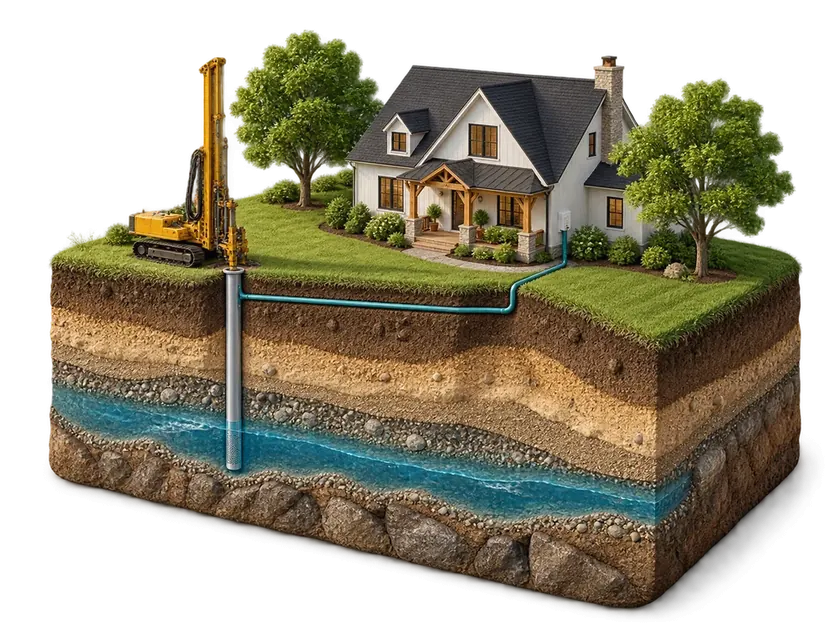
Groundwater moves through rock and soil before it reaches a well, and it dissolves calcium and magnesium as it goes. Those minerals are the hardness. They are harmless to drink, and hard on everything else: they come out of solution as scale when water is heated or evaporates, and they bind with soap instead of letting it lather.
The USGS national hardness map puts Western Pennsylvania and Northeast Ohio in hard-to-very-hard territory, and the county records below bear that out. In 8 of the 9 counties with enough wells on record, the median well is hard or worse. City water is softer on average but not exempt; scale on a kettle is the same chemistry.
How to confirm it
Hardness is the easiest water problem to confirm. A test reports it in grains per gallon and places it on the USGS scale, and the same visit screens for iron, bacteria, and other impurities, because hard water rarely travels alone.
USGS hardness classes. Hardness varies well to well, even on the same road — a test gives you your number.
- WHAT SOFTENING CHANGES
- Spots and scale stop building up
- Soap lathers, less detergent needed
- Water heaters and appliances stay clear of mineral buildup
HARDNESS BY COUNTY
What the Public Record Says,
County by County.
USGS groundwater records for the counties we serve, hardest first. It shows what to expect nearby; how hard your own water is takes a test of your well.
| County | Median hardness | USGS class | Hard or very hard | Record |
|---|---|---|---|---|
| Ashtabula County, OH | 18.2 gpg | Very hard | 89% of wells | 9 wells, 30 samples, 1982–2016 |
| Columbiana County, OH | 16.7 gpg | Very hard | 86% of wells | 14 wells, 29 samples, 1986–2016 |
| Lawrence County, PA | 12.3 gpg | Very hard | 86% of wells | 29 wells, 47 samples, 1928–2023 |
| Mahoning County, OH | 10.2 gpg | Hard | 60% of wells | 5 wells, 5 samples, 1978–2001 |
| Crawford County, PA | 9.6 gpg | Hard | 77% of wells | 35 wells, 44 samples, 1928–2023 |
| Butler County, PA | 9.1 gpg | Hard | 68% of wells | 28 wells, 29 samples, 1926–1997 |
| Erie County, PA | 8.2 gpg | Hard | 68% of wells | 349 wells, 421 samples, 1927–1996 |
| Mercer County, PA | 7.6 gpg | Hard | 59% of wells | 102 wells, 103 samples, 1928–2023 |
| Venango County, PA | 3.9 gpg | Moderately hard | 43% of wells | 7 wells, 24 samples, 1928–2023 |
Source: USGS National Water Information System groundwater records, served through the Water Quality Portal, site type Well, retrieved 2026-09-14. Median hardness converted from mg/L as calcium carbonate at 17.1 mg/L per grain; classes are the USGS ranges. Each well counts once, as the median of its samples; counties with fewer than five wells are not shown.
WHAT IT COSTS YOU
Stains Are the Least of It.
Residents of Northeast Ohio and Western PA know the look hard water gives sinks, toilets, showers, and tubs: no matter how hard or how often you clean, the stains come back, because the water is delivering fresh minerals every day. The stains are the visible part. The rest shows up on bills.
- More soap, more detergent. Hard water takes more of everything to clean with: shampoo, laundry detergent, dishwashing liquid, hand soap, body wash. The lather you are missing is soap being used up by the minerals.
- Appliances working harder. Scale builds up inside pipes, water heaters, dishwashers, and washing machines. A water heater has to heat through the scale, flow to appliances slows, and the machines you paid for wear out early and clean worse while they last.
- Laundry that never feels new. Stiff towels, dull whites, and scratchy sheets are minerals left in the fabric. Foggy shower glass is the same deposit, vertical.
- Skin and hair. Hard water leaves skin drier and duller, and hair limp; color-treated hair fades faster. It is the reason a shower feels different at a friend’s house with soft water.
THE FIX, AND ITS PRICE
Softener, Conditioner,
and What They Cost.
How a softener removes hardness, how a conditioner changes what it does instead, and what sets the price.
THE FIX
Take the Minerals Out
Before They Reach a Faucet.
A softener exchanges the hardness for sodium or potassium ions at the point of entry. Every fixture and appliance downstream gets soft water, and the stains stop arriving.
- WATER SOFTENERS
Sized to your water and your household.
Hardness level, household demand, and installation space decide the unit. Salt and an inspection once a year keep it running. Many common systems are stocked on our trucks for same-day installation.
How a softener works - MORE THAN HARDNESS?
Iron, sulfur, or bacteria too.
A softener addresses calcium and magnesium and nothing else. When the test finds iron, sulfur odor, sediment, or bacteria alongside hardness, each gets its own equipment, and the softener goes in after the treatment that would otherwise foul its resin.
Every system we install
A LITTLE CLARITY
Hard Water Questions.
Straight Answers.
How do I know if I have hard water?
Common indicators include spotting on glassware, scale buildup on fixtures and inside appliances, soap that does not lather well, and a filmy feel after washing. Testing establishes the actual hardness level, which is what determines the right equipment. Call (724) 588-2652 to schedule a water test.
What is hard water, and how is it measured?
Hard water carries dissolved calcium and magnesium picked up from the rock and soil groundwater moves through. It is measured as milligrams per liter of calcium carbonate or, in the water treatment trade, grains per gallon: 17.1 mg/L is one grain. The USGS classes water under 3.5 grains as soft, 3.5 to 7 as moderately hard, 7 to 10.5 as hard, and above 10.5 as very hard.
Is hard water safe to drink?
Hardness itself is not regulated as a health contaminant; calcium and magnesium are minerals, and the harm hard water does is to fixtures, appliances, laundry, skin, and hair. What matters for safety is what else is in the water, which is why a Chatfield water test screens for iron, bacteria, and other impurities at the same time.
Where is the water hardest in Western PA and Northeast Ohio?
In USGS groundwater records for the counties Chatfield serves, Ashtabula County, OH has the hardest median sample at about 18.2 grains per gallon, and 8 of the 9 counties with enough wells have a median in the hard or very hard range. Hardness varies well to well, even on the same road, so the county figure shows what is typical and only a test gives your own.
Does a water softener also remove iron?
Not reliably. A softener addresses calcium and magnesium. Iron, sulfur odor, sediment, and bacteria need their own treatment, so testing determines whether a softener alone fits your water or needs other equipment alongside it.
How often does a water softener need maintenance?
Most water softeners require minimal maintenance, typically refilling the salt and having the system inspected once a year. Regular service helps ensure consistent performance and prevents issues such as resin buildup or clogs. Chatfield Water Systems offers professional maintenance and checkups to keep a softener running efficiently.
Talk with the Chatfield team.
(724) 588-2652A LITTLE KNOWLEDGE GOES A LONG WAY
Know Your Water.
 WATER TREATMENT
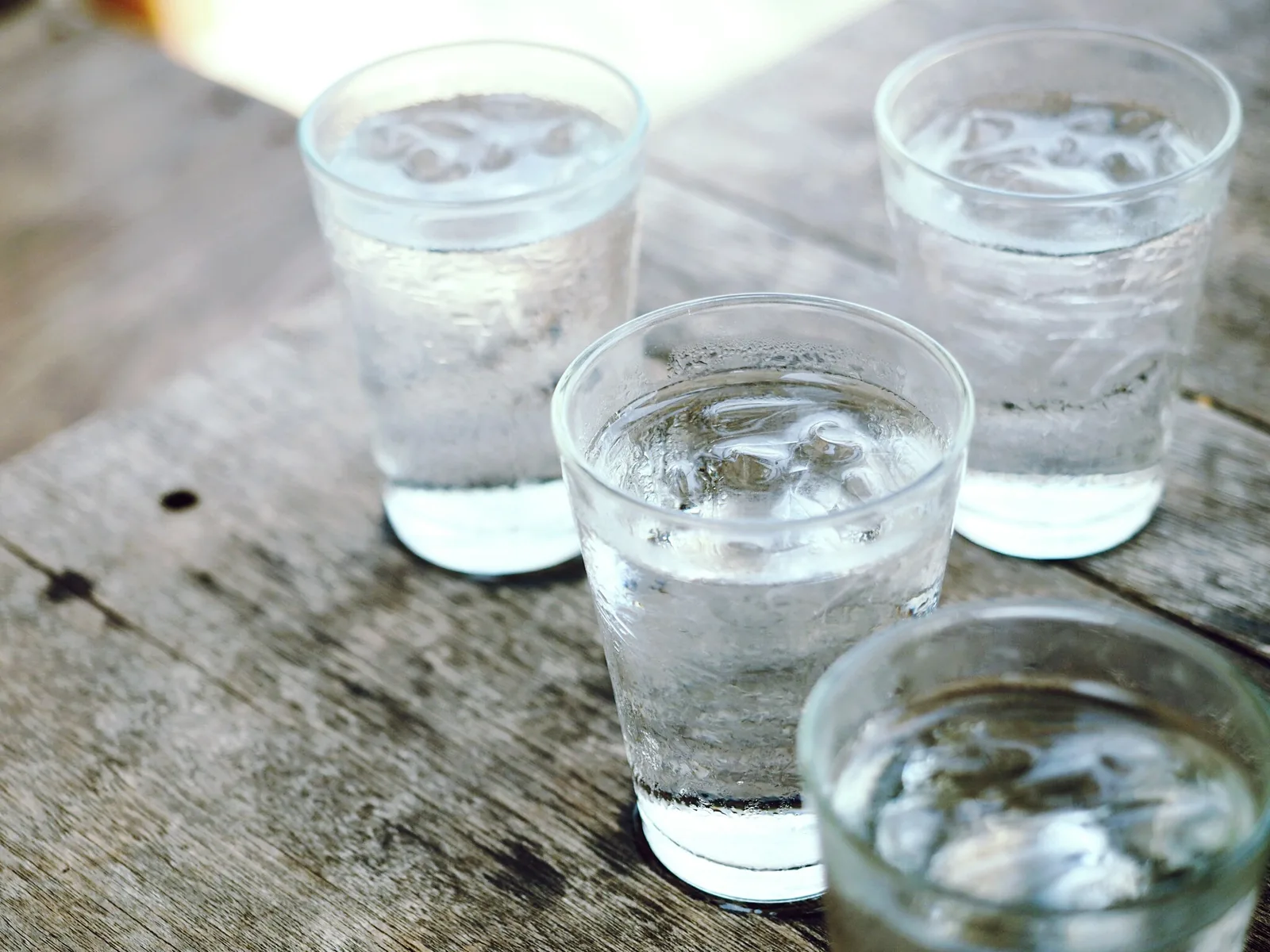
Water softener systems.
How a softener works, what it changes, and how it is sized to your water and your household.
 WATER TESTING
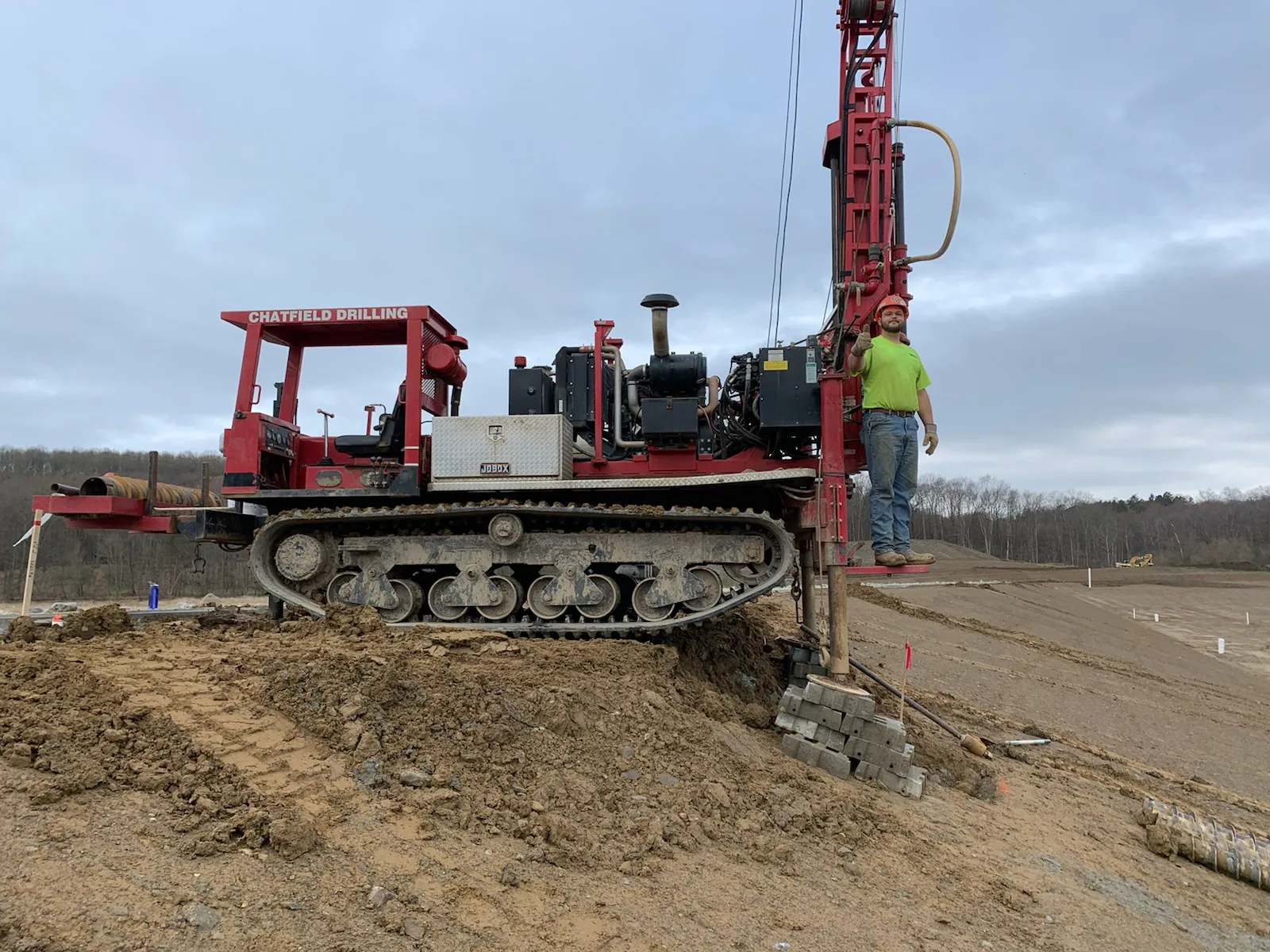
Water testing, explained.
What a test measures, what the results mean, and what happens next.
 WATER TREATMENT
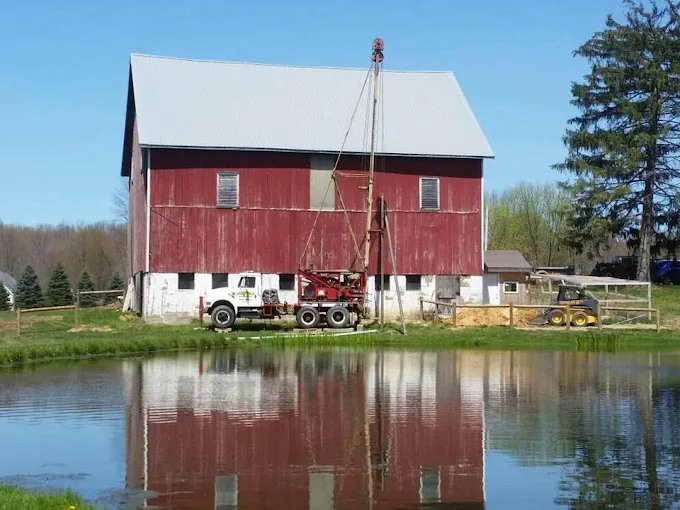
Every system we install.
One system per problem, combined when your water has more than one.
YOUR NEXT STEP
Know Your Number.
Then Fix It.
A water test tells you how hard your water is and what else is in it. From there, the recommendation is specific to your home.