
CHATFIELD DRILLING · SINCE 1967
A private well gives you more than water. It gives you control. For a newly built home or an existing property, Chatfield’s licensed team drills, cases, tests, and equips the well from start to finish, in compliance with local regulations, across Western Pennsylvania and Northeast Ohio.
Serving our communities since 1967
Before the rig arrives, the well is sized to the household. Add everyday use, the seasonal peaks, and an emergency, and the total is what the well has to produce.
Schedule a site visit- 01Everyday useShowers, laundry, dishes, the kitchen tap: the baseline the household draws every day of the year.
- 02Seasonal useWatering the lawn and garden, washing cars, filling a pool. Summer demand is what a marginal well fails on.
- 03EmergenciesFire protection. Enough water, fast enough, when it matters most.
- 7 gpmGallons per minute most homes need their well to produce.
- 1 dayIf the well can’t meet that, a storage system holding at least one day’s supply for everyone in the household is the alternative.
- WHAT OWNING THE SUPPLY CHANGES
- No monthly water bill after the drilling and routine maintenance
- No boil alerts or shut-off notices to plan around
- No chlorine unless you add it, and treatment matched to your test
IS A WELL RIGHT FOR THE PROPERTY?
Who Drills a
Residential Well.
In some rural areas a private well is the most reliable water option, or the only one. In others it is a choice: a dependable, cost-effective supply that is yours to treat.
DRILL FIRST, BUILD LATER
Plan the Water
Before the House.
A water well is not overly expensive, especially considering how devalued a home is on resale without a viable water supply. Here are four things to settle before the rig arrives, from the National Ground Water Association’s guidance for well owners.
- 01
Establish the need
Count everyday use, the seasonal peaks, and an emergency such as fire protection. Most homes need a well that produces about 7 gallons per minute. If that can’t be met, storage holding a day’s supply is the alternative.
- 02
Check the records
Records of nearby wells and groundwater studies on file with local and state agencies show depths, rock types, water levels, and expected yields for the area.
- 03
Drill before you build
In some areas low-yielding or even dry wells are not uncommon. An expensive home with a poor water supply is not a good investment, and a construction schedule is easier to move than a water problem is to solve.
- 04
Get it in the contract
Itemize every charge and put any guarantee on workmanship in writing. Spell out the diameter of the hole, the size and type of casing, the well screen, how long the well will be test-pumped, and when the well log will be furnished.
RESIDENTIAL WELL DRILLING
Residential Well Drilling
in Pennsylvania and Ohio.
If you’re looking to install a private water well on your property, turn to the experts at Chatfield Drilling & Water Systems. We proudly offer residential well drilling in Pennsylvania and Ohio, including Mercer, Meadville, Grove City, Canfield, Cortland, and the surrounding communities.
Why choose a private well
A private well gives you more than just water. It gives you control. Whether for a newly built home or an existing property, a private well provides a dependable, cost-effective, and environmentally friendly water source. Water rates, like every other utility, fluctuate without warning. With a well you pay for the drilling and some routine maintenance, and after that there is no monthly fee. A boil alert or a shut-off notice becomes a thing of the past. And because you are not adding chlorine, the water tastes like water, treated only for what a test of it finds.
Professional well drilling you can trust
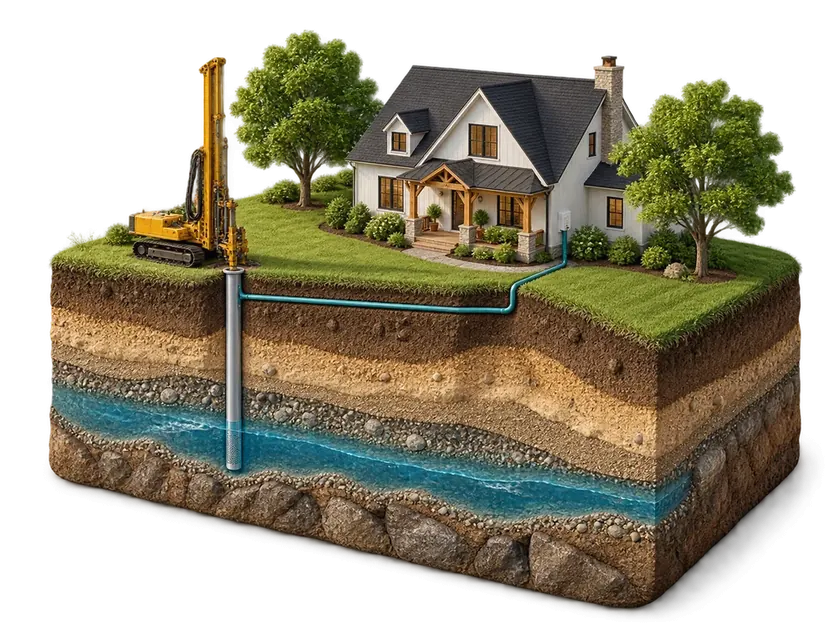
Drilling a residential water well is a complex job that requires specialized equipment and experience. At Chatfield, our licensed team handles the process from start to finish, safely, efficiently, and in compliance with local regulations, with a drilling method chosen for the local geology:
- Cable tool drilling. Ideal for cased wells in the glaciated areas of Northwest Pennsylvania.
- Air rotary drilling. Used for deeper bedrock wells.
- Screened and sand-packed wells. Designed for low-yield or unconsolidated soil conditions.
“We bought a new home November 1st, 2024 and low and behold it had a collapsed well. After several quotes, we chose Chatfield drilling, and we’re glad we did! Matt & his team arrived quickly to assess the situation, and formulate a plan to get the H2O flowing again. Even through the holidays, they did not waiver. Eric their driller worked hard in the brutal NE Ohio cold to pound a well for us. We are beyond pleased, and have fantastic water!”
Complete pump installation
A well is only as good as the system that brings water to your home. We install the pump and pressure system so that your new well delivers water efficiently, and if you’re upgrading or replacing an old pump, we can help with that too.
Safe, treated water for everyday use
Once drilled and properly treated, your well can provide a nearly endless supply of clean, safe water. With the right water treatment and filtration system, sized to your test results, you can enjoy high-quality water for drinking, cooking, bathing, and more, all straight from your land.
Trusted residential well drilling across PA and OH
With decades of experience and a reputation for excellence, Chatfield Drilling & Water Systems is the trusted choice for residential well drilling in Pennsylvania and Ohio. We bring the knowledge, tools, and dedication needed to handle any well-related project, across ten counties:
HOW A WELL GETS DRILLED
Site Visit to Well Log,
in Four Steps.
The process starts on your land, with what you need the water for and what other drillers have already learned about the ground nearby.
- 01
Site visit
Your property, access for the rig, what you need the water for, and what the records of nearby wells show about the ground.
- 02
Permits & plan
Permitting and compliance for Pennsylvania or Ohio, and a written plan that spells out diameter, casing, screen, test-pumping, and the log.
- 03
Drill, case & develop
The method suited to the ground, the casing set, and the well developed and test-pumped so the yield is known before the pump goes in.
- 04
Pump, test & log
The pump and pressure system installed and wired, disinfection and testing before the well goes into service, and the log recorded.
A LITTLE CLARITY
Residential Drilling Questions.
Straight Answers.
How much does it cost to drill a residential water well?
There is no flat rate, because cost depends on site access, depth, geological conditions, casing material, well development, testing, permitting, labor, and equipment. Chatfield evaluates the property before quoting rather than offering a number that would need to change. Financing is available through GreenSky.
What drilling method will be used on my property?
That is determined by the local geology and site conditions, not selected by preference. Chatfield uses cable tool drilling for cased wells in the glaciated areas of Northwest Pennsylvania, air rotary drilling for deeper bedrock wells, and screened and sand-packed wells for low-yield or unconsolidated soil conditions. The appropriate method is identified during site evaluation.
How long does it take to drill a residential well?
The drilling itself is often a matter of days, but the full project runs longer than the rig time. Depth and geology set how long drilling takes, and two properties on the same road can differ. Around that sit permitting, site access for equipment, setting the casing, installing the pump and pressure system, wiring, and disinfection and testing before the well is put into service. Chatfield assesses the site first and sets out the expected sequence for that property.
Should I drill the well before building the house?
In areas where low-yielding or dry wells are not uncommon, it is sensible to drill first. An expensive home with a poor water supply is not a good investment, and it is far easier to adjust a construction schedule than to solve a water supply problem after a house is finished. Raise sequencing early if you are planning a build.
What should I bring to a well drilling consultation?
Useful preparation includes the property address and parcel information, a simple sketch showing the road, existing structures, and any planned building area, a description of intended water use including outdoor and seasonal demand, any records from nearby wells, and notes on access for equipment. Preparation makes the conversation more productive but does not determine depth, yield, permits, cost, or feasibility.
What happens after the well is drilled?
The well is developed and test-pumped so its yield is known, then the pump and pressure system are installed and wired. The well is disinfected and the water tested before it goes into service, and the well log records the depth, casing, formations, and yield. Once the test results are in, any treatment the water needs, such as an iron filter, a softener, or UV, is sized to them. Then the water is ready for drinking, cooking, and bathing straight from your land.
Talk with the Chatfield team.
(724) 588-2652A LITTLE KNOWLEDGE GOES A LONG WAY
Before You Drill.
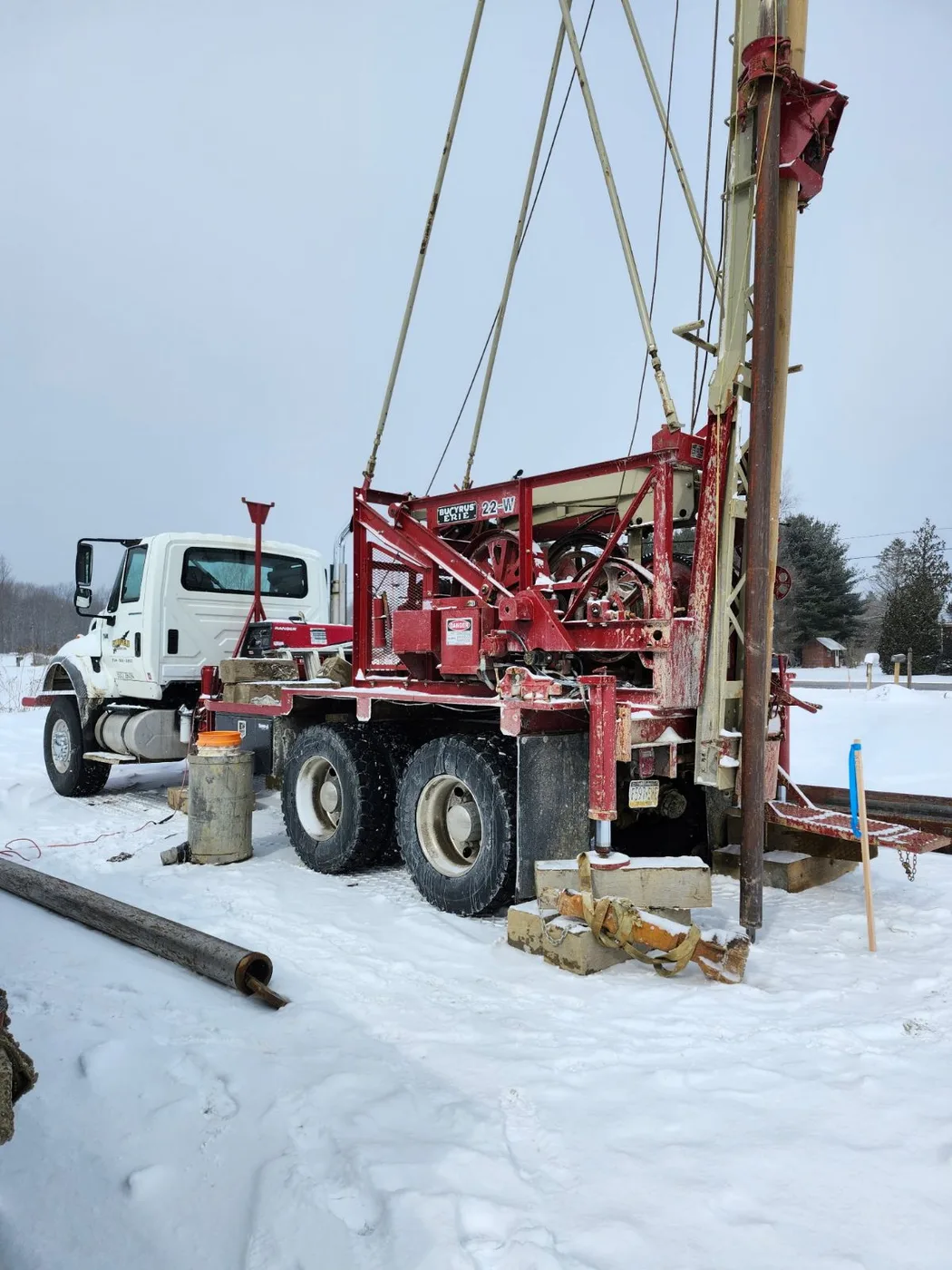 WELL DRILLING
What a new well costs.
Depth, ground, casing, development, testing, permits: the factors that set the price, and what to ask.
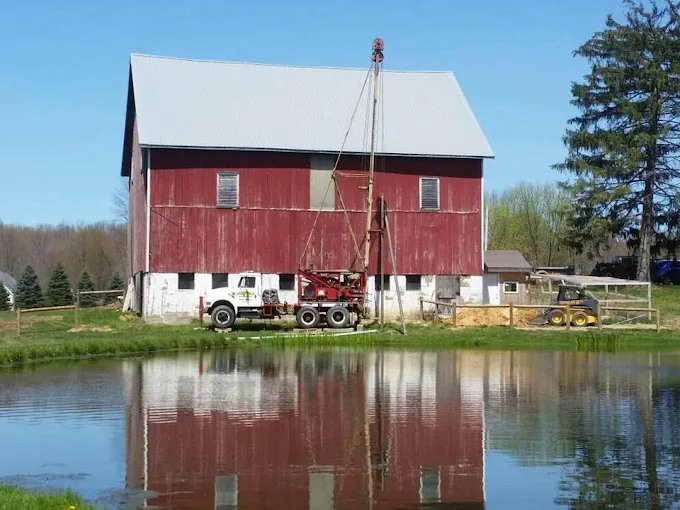 WELL DRILLING
Sharing a well?
Whose well it is, what an agreement should cover, and the trade-offs of one supply for two homes.
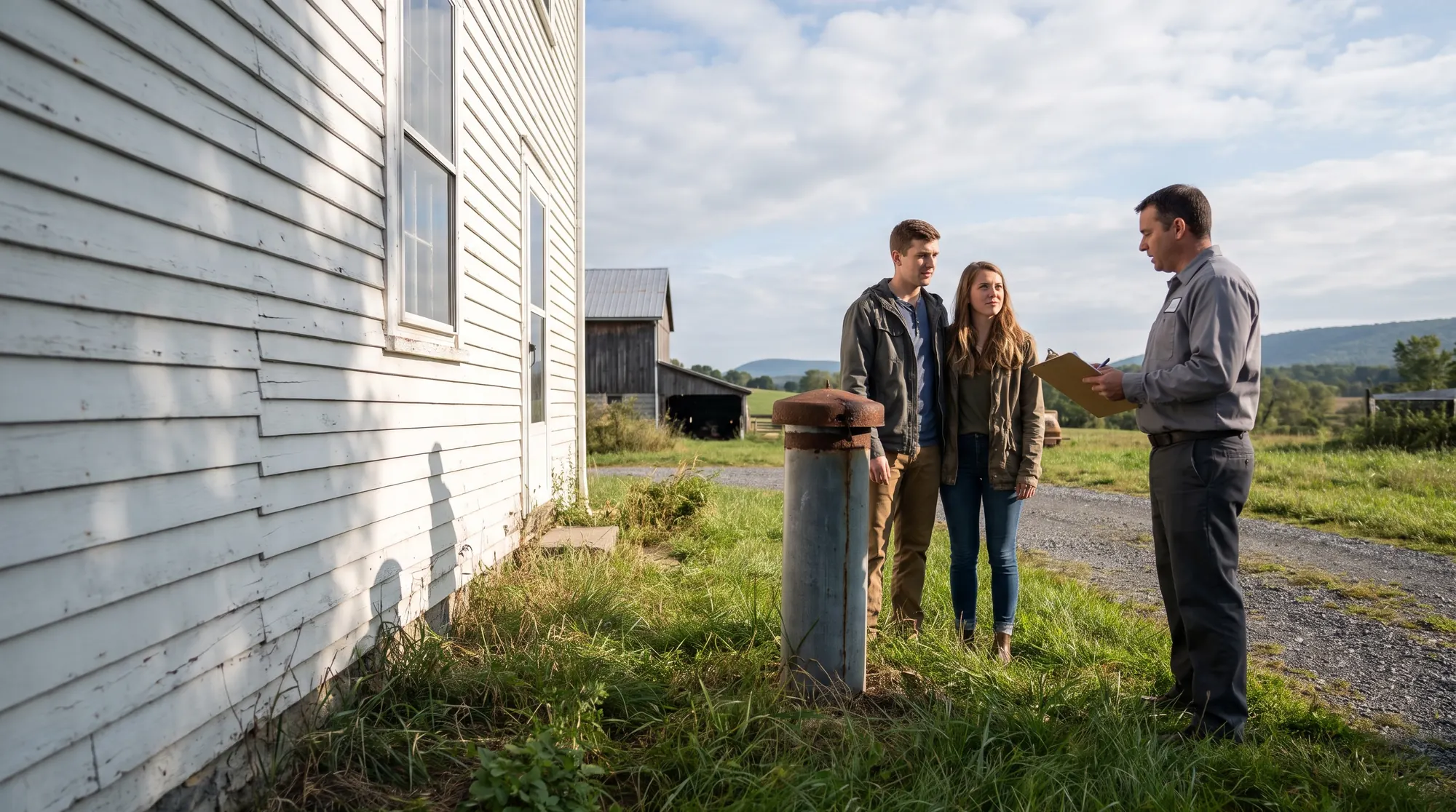 WELL SERVICE
Buying a home with a well.
Test before you sign, measure the flow rate, and know what an inspection covers.
YOUR NEXT STEP
Planning a Well?
Start with the Site.
For water well drilling, pump installation, or well maintenance, contact Chatfield Drilling & Water Systems. We’ll walk the property and tell you what the ground is likely to give.