

WELL PUMPS · WESTERN PA & NORTHEAST OHIO
The tank is what lets the pump rest. Professionally installed pressure tanks keep the pressure consistent through a shower and a load of laundry, cut the number of times the pump starts, and make it last. We repair or replace waterlogged tanks.
Serving our communities since 1967
A pressure tank holds water under an air cushion so the pump can rest between cycles. When the cushion goes, the pump pays for it. Watch for these six signs, and what each one usually means.
Schedule tank service- WaterloggedShort cyclingThe pump turns on and off too frequently. The air cushion is gone and the switch clicks at every tap.
- WaterloggedA pump that runs constantly, or low pressureThe tank is full of water with no room for air, so the pump does all the work and the pressure never holds.
- BladderAir spurting from the faucetsA damaged tank bladder lets air into the water side. It comes out at the tap in bursts.
- Look closerFluctuating pressure through the housePressure rises and falls while a shower runs. The pump, the switch, or the tank: the visit finds which.
- Look closerBanging or clicking near the tankNoises around the switch and tank are the cycle going wrong, and worth reporting before the pump wears.
- ReplaceRust, leaking, or visible tank damageA tank showing its age is replaced, sized to the pump and the household, before it fails on a weekend.
- Steady flowWater stored under pressure gives an even stream at every faucet and appliance, with no sudden drops or surges.
- Fewer cyclesWithout a tank the pump would start every time a tap opened. Stored water means it runs less often.
- A longer pump lifeFewer starts mean less wear, less maintenance, and a replacement you plan instead of one that happens to you.
- WHAT TANK SERVICE CHANGES
- The clicking stops and the pump rests between cycles
- Pressure holds through a shower and a load of laundry
- No air at the taps, no banging at the tank
IS THIS YOUR SYSTEM?
Signs the Tank Needs
Repair or Replacement.
If you’re noticing any of these, it may be time to call. Our technicians inspect the tank, diagnose the issue, and recommend the best repair or replacement option for your home or property.
HOW A PRESSURE TANK WORKS
An Air Cushion
Does the Work.
A pressure tank holds water against a charge of compressed air. The air is the spring: it pushes water out to the house while the pump rests, and it takes the pump’s refill without a fight.
- 01
A tap opens
Compressed air above the bladder pushes stored water out to the house. The pressure in the tank falls slowly, and the pump stays off.
- 02
Cut-in
When the pressure reaches the switch’s cut-in setting, the switch closes the circuit and the pump starts.
- 03
Refill
The pump fills the tank from below, pushing the bladder up and compressing the air again. The pressure climbs.
- 04
Cut-out
At cut-out the switch stops the pump, and the tank carries the house until the next demand. A waterlogged tank has lost its air, so this whole cycle happens in seconds, over and over.
PRESSURE TANKS
Pressure Tanks in Western Pennsylvania
and Northeast Ohio.
At Chatfield Water Systems, we provide professionally installed pressure tanks to ensure your water pressure stays consistent and your well pump lasts longer. Serving homes, farms, and commercial properties across Western Pennsylvania and Northeastern Ohio, we’re your trusted source for long-lasting water system solutions.
Consistent water pressure throughout your property
A quality pressure tank stores water under pressure, allowing for a steady flow when you turn on a faucet or appliance. Whether you’re washing dishes, taking a shower, or watering the lawn, our systems prevent sudden drops or surges in water pressure, providing comfort and reliability all day long.
Less pump cycling, a healthier system
Without a pressure tank, your well pump would need to turn on every time you used even a small amount of water. That constant on-and-off cycling leads to early wear and costly repairs. Our pressure tanks store water efficiently so your pump runs less frequently, minimizing cycling and maximizing performance.
A longer life for the well pump
Pressure tanks play a crucial role in protecting your well pump. By reducing how often the pump activates, they extend its life, reduce maintenance needs, and help you avoid premature pump replacement. It’s a smart investment for long-term savings and peace of mind. When the tank is the problem, the switch is usually the first to show it.
Trusted products, expert installation, local service
Chatfield installs durable, high-quality pressure tanks designed to work seamlessly with your water system. Backed by years of experience and industry-leading brands, we’re proud to serve communities in Mercer, Meadville, Grove City, Canfield, Cortland, and beyond, across ten counties:
HOW WE FIX IT
Watch the Cycle.
Then Fix the Tank.
Whether you need a new pressure tank or expert troubleshooting, the visit starts with what the gauge does while a tap runs.
- 01
Describe the cycling
How often the pump starts, whether the pressure wanders, any air at the taps, and when it began. What you noticed is the diagnosis’s first clue.
- 02
Check the switch & tank
The gauge through a full cycle, the switch settings, the tank’s air charge and bladder, and the plumbing around it.
- 03
Repair or replace
A tank that can be recharged is recharged. One with a failed bladder or a rusted shell is replaced, sized to the pump and the household.
- 04
Set, test & record
The switch checked against the new tank, the cycle timed, and what went in written down for the next visit and the next owner.
A LITTLE CLARITY
Pressure Tank Questions.
Straight Answers.
How do I know if my well pressure tank is bad?
Common indicators include rapid pump cycling, fluctuating water pressure, or a tank that feels heavy or sounds full of water, often described as waterlogged. Chatfield repairs or replaces waterlogged tanks to restore pressure. Report what you observe rather than opening or adjusting the tank yourself, since the system is pressurized.
What does a pressure tank actually do?
It stores water under pressure so the pump does not have to run every time a tap opens, which smooths out delivery and reduces how often the pump cycles. That protects the pump from excessive starts and helps maintain steady pressure at fixtures throughout the home.
What does “waterlogged” mean?
A pressure tank holds water on one side of a bladder and compressed air on the other. When the air charge is lost, or the bladder fails and the two mix, the tank is full of water with no cushion to push against. The pressure then rises and falls almost instantly, so the pump starts every few seconds. That is short cycling, the most common tank complaint, and it is hard on the pump.
What size pressure tank do I need?
Sizing depends on the pump, the household’s demand, and how the system is intended to cycle. An undersized tank causes the pump to start and stop more often, which increases wear. The right size is determined by evaluating your specific system rather than by a general rule.
Can I recharge the tank myself?
We advise against it. The air charge has to be set relative to the switch with the system depressurized, and a tank with a failed bladder will not hold a charge no matter how much air goes in. Getting it wrong shortens the pump’s life. Describe the cycling and let the visit check the switch, the charge, and the bladder together.
How long does a well pressure tank last?
Service life varies with the equipment, water conditions, and cycling frequency. Watching for rapid cycling and pressure fluctuation gives more practical warning than an average figure. Pressure tank service is part of Chatfield’s well maintenance work. Call (724) 588-2652 to schedule service.
Talk with the Chatfield team.
(724) 588-2652A LITTLE KNOWLEDGE GOES A LONG WAY
Know Your System.
 WELL PUMPS
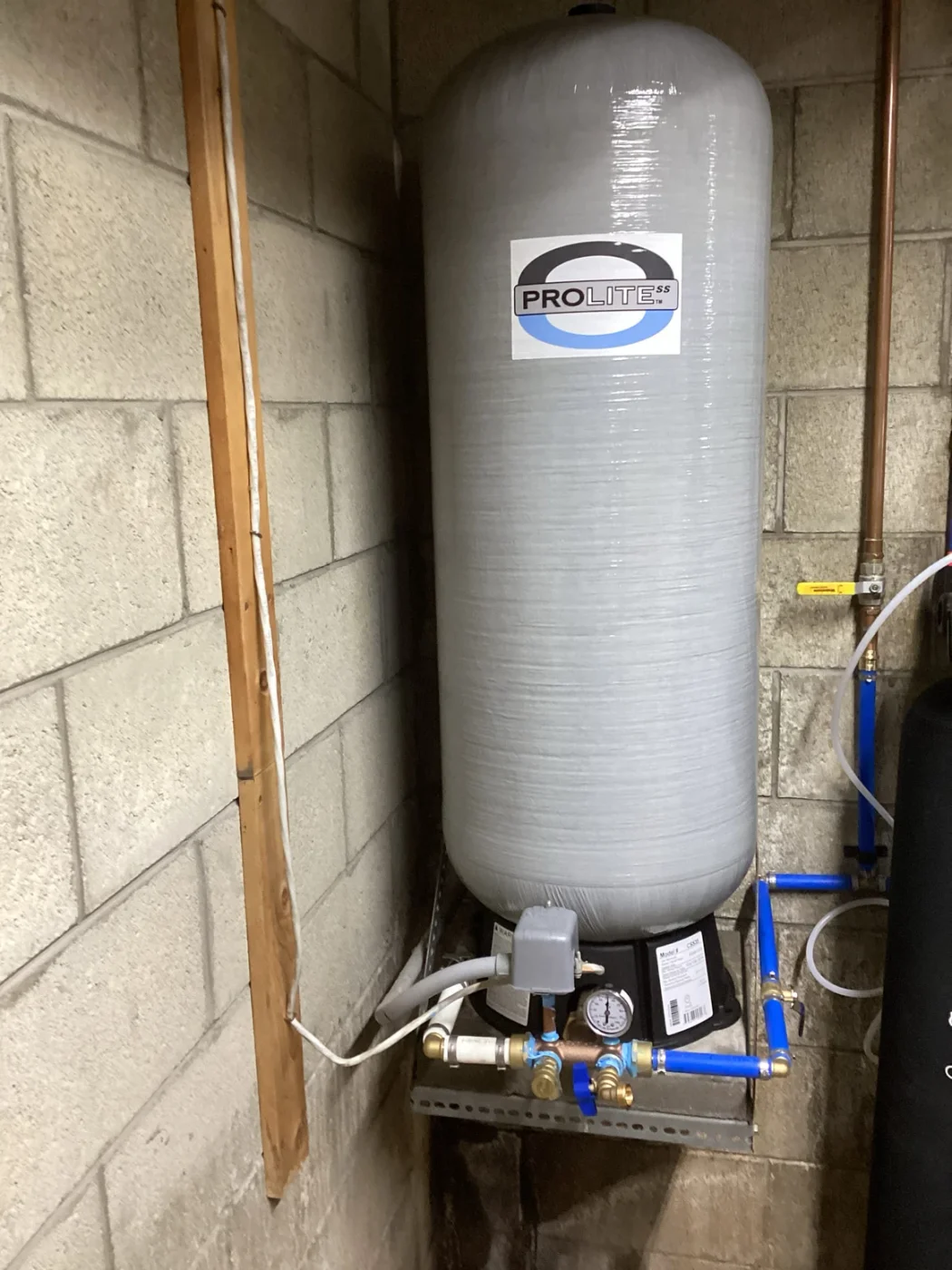
The little gray box that runs it all.
How a pressure switch works, what cut-in and cut-out mean, and when to upgrade to a controller.
 WELL PUMPS
Pump, or tank?
The same symptoms point two ways. How a repair visit tells them apart, and what to note before you call.
 WELL PUMPS
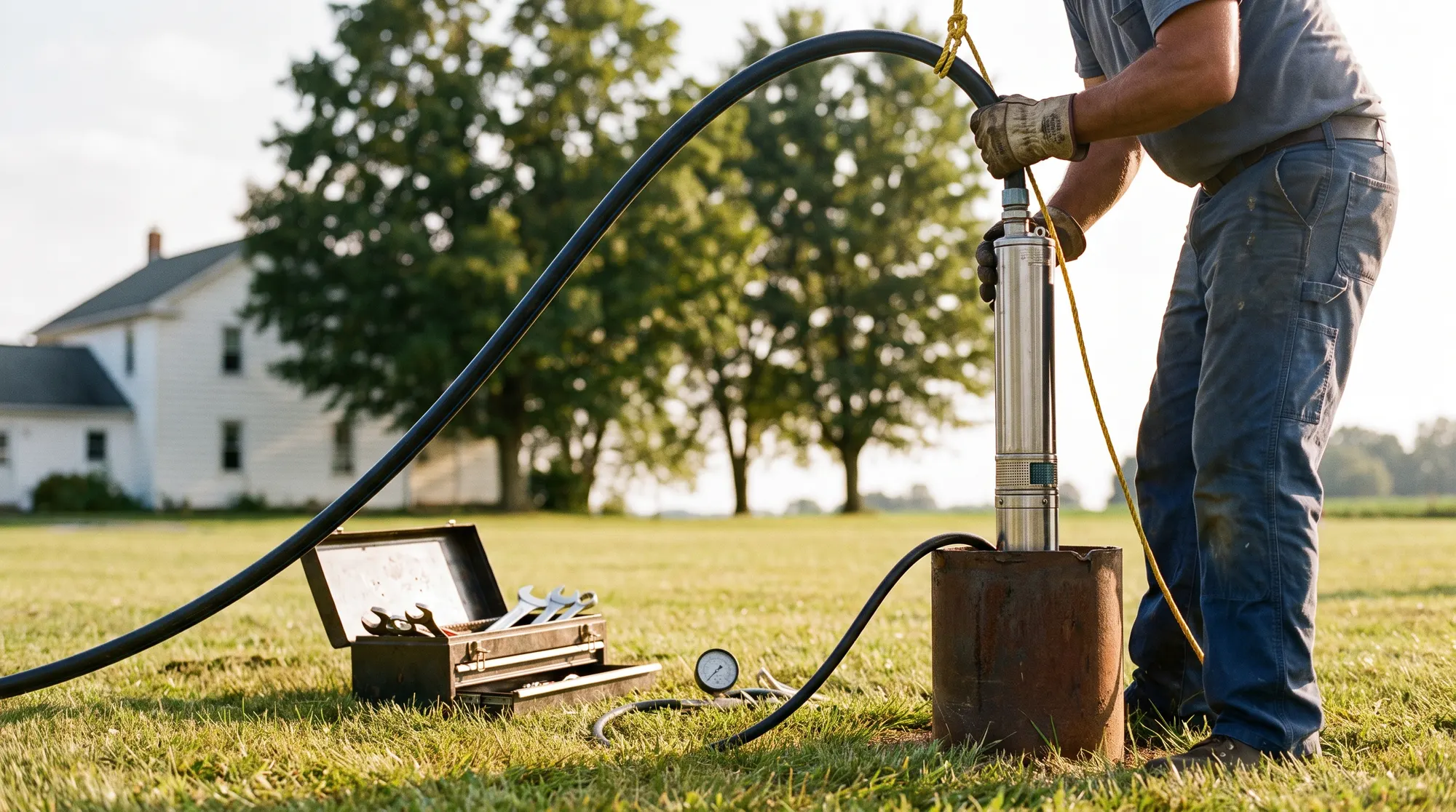
The whole pumping system.
Submersible, jet, booster, and sump pumps, the switch, and the tank: sized, installed, and repaired.

YOUR NEXT STEP
Get Reliable Water Pressure.
Call Chatfield Today.
Whether you need a new pressure tank or expert troubleshooting, we’ll schedule a visit, watch the cycle, and get your water system working efficiently again.