

WELL PUMPS · WESTERN PA & NORTHEAST OHIO
Ah, the pressure switch. It looks like a little gray box, no big deal, except it controls everything. It turns your well pump on and off, automatically, every time you use water. Here’s how it works, how it fails, and the digital controller that adds what it cannot see.
Serving our communities since 1967
A pressure switch closes a circuit at cut-in and opens it at cut-out, and that simple cycle runs your water. A digital controller watches what the switch cannot, and protects the pump from it.
Schedule pump serviceAn electromechanical box near the tank. It watches tank pressure and turns the pump on and off between two set points. It has no view of flow, run time, or usage, and no protection against dry running, overload, or rapid cycling. It is often the first component in the system to fail.
A digital controller with an LCD screen. It monitors pressure, flow rate, run time, and daily water usage. It alarms for low or high pressure and for high flow (a burst pipe, a running appliance), and shuts the pump down if the well runs dry or the motor overloads.
When a switch needs replacing, the options are the same type again, an electronic switch, or the controller. Either way, a qualified professional should do it, because the switch carries line voltage and controls pressurized equipment.
- Cut-inThe pressure at which the switch closes the circuit and the pump starts.
- Cut-outThe pressure at which the switch opens the circuit and the pump stops. The tank carries the house until the next demand.
- WHAT A CONTROLLER CHANGES
- Dry-run and overload protection for the pump
- A leak shows up as flow before it shows up as a bill
- Run time tracked, so wear is seen coming
IS THIS YOUR SYSTEM?
When the Switch Is
Acting Up.
If your water pressure starts acting up, don’t direct your frustration at the inanimate object. It’s just doing its job, or trying to. Sometimes a switch just needs replacing; sometimes the tank behind it does.
INSIDE THE GRAY BOX
Two Set Points.
One Spring.
A pressure switch is a diaphragm, a spring, and a pair of electrical contacts. Everything it does, it does by comparing the pressure in the tank with the tension in that spring.
- 01
A diaphragm feels the pressure
A small tube brings tank pressure into the switch, where it pushes on a diaphragm against a spring. The spring is what the set points are made of.
- 02
Cut-in
When the pressure falls far enough, the spring wins. The contacts snap closed and the pump gets power.
- 03
Cut-out
As the tank fills, the diaphragm pushes back. At the cut-out setting the contacts snap open and the pump stops.
- 04
Wear
Contacts pit, the spring tires, mineral scale clogs the tube. The switch is often the first component in the system to fail, and a digital controller adds the protection a switch cannot offer.
UNDERSTANDING THE PRESSURE SWITCH
Just a Little Gray Box.
Except It Controls Everything.
If you’re on a well-water system, you rely on a pressure switch to keep the water flowing. This unassuming little component plays a crucial role in automatically turning your well pump on and off, ensuring a consistent water supply to your home. But what exactly is a pressure switch, and how does it work?
What is a pressure switch?
A pressure switch is an electromechanical device that monitors the water pressure in your well system. Think of it as the brains behind the operation, constantly checking the pressure and making decisions based on pre-set parameters. It’s typically a small, box-shaped component located near your pressure tank.
How does it work?
Your well system includes a pump, a pressure switch, and a pressure tank. Here’s the typical sequence of events:
- Water demand. You turn on a faucet or use water in the home, and the pressure in the tank drops.
- Pressure drop. That drop is sensed by the pressure switch.
- Switch activation. Once the pressure falls below the pre-set cut-in pressure, the switch closes an electrical circuit.
- Pump activation. The closed circuit sends power to the well pump, turning it on.
- Tank refill. The pump draws water from the well and fills the pressure tank.
- Pressure increase. As the tank fills, the pressure increases.
- Switch deactivation. When the pressure reaches the cut-out pressure, the switch opens the circuit, shutting off the pump.
- Cycle repeat. This repeats automatically as you use water, maintaining a consistent pressure range in your plumbing.
Important: working with electrical components and well systems can be dangerous. It’s best to consult a qualified professional for diagnosis and repair. Incorrect adjustments to the pressure switch can lead to damage to your system or even personal injury. So do yourself a favor and don’t touch it.
Common issues
- Rapid cycling (the pump turning on and off frequently). Usually at this point the pressure tank has become waterlogged, causing the switch to click on and off really fast. If you notice this, contact us immediately.
- The pump running constantly. This means the pressure switch doesn’t think the cut-out pressure has been met. You need to call us.
If your pressure switch does need replacing, know that you have a few options. You can simply have the same type of switch installed, or upgrade to an electronic pressure switch, or to a digital controller.
Upgrading to the SJE Rhombus WellZone controller
The SJE Rhombus WellZone controller offers a significant upgrade over traditional pressure switches for homeowners with private wells. Pressure switches have been the go-to solution for decades, but they lack the sophisticated monitoring and protection of a modern digital controller. They simply turn the pump on and off. They offer no insight into flow rate, run time, or developing problems, and no protection against dry running, overloads, or rapid cycling. The WellZone keeps tabs on the system:
- Flow rate. Detects leaks and unusual water usage, which a pressure switch does not monitor.
- Pressure. Ensures consistent water pressure and identifies potential problems, the basic function of a switch.
- Run time. Tracks pump activity to prevent overheating and premature failure.
- Water usage. Monitors daily, weekly, and monthly consumption for better water management.
And it is equipped with alarms and protections a switch cannot offer:
- Low or high pressure. Alerts you to potential pump problems or leaks.
- High flow. Indicates a possible burst pipe or malfunctioning appliance.
- Dry-run protection. Automatically shuts down the pump if the well runs dry, preventing costly damage.
- Overload protection. Safeguards the pump motor from excessive electrical load.
An intuitive LCD screen displays real-time data and system status. The result is preventative maintenance, reduced energy costs from optimized pump operation and caught leaks, an extended pump life, and the peace of mind of a system that is constantly monitored and protected.
Maintenance tips
- Regularly check the pressure gauge. It helps you monitor the switch’s performance and identify problems early.
- Inspect the pressure switch. Look for signs of corrosion or damage, without opening it.
- Have the well system professionally inspected annually. The annual checkup covers the pump, the switch, and the tank together.
Even these stalwart little gray boxes have a lifespan. Eventually wear and tear, mineral buildup, or just plain bad luck take their toll. When it’s time for a new one, don’t take it personally. It’s all part of the cycle of well water life. We handle all your well, pumping system, and pressure switch needs across ten counties:
HOW WE WORK
Read the Gauge.
Then Fix the Switch.
A bad switch and a waterlogged tank look alike from the kitchen tap. The visit tells them apart before anything is replaced.
- 01
Read the gauge & the cycle
How the needle behaves while a tap runs, how often the pump starts, and whether it ever reaches cut-out.
- 02
Inspect the switch & tank
The switch for corrosion, scale, and worn contacts; the tank for waterlogging, which mimics a bad switch.
- 03
Replace, or upgrade
The same type of switch back in, an electronic switch, or the SJE Rhombus WellZone controller with its monitoring and protection.
- 04
Set, test & record
Cut-in and cut-out matched to the tank, the cycle timed, and the settings written down.
A LITTLE CLARITY
Pressure Switch Questions.
Straight Answers.
What does a pressure switch do?
It is an electromechanical device that monitors the water pressure in your well system. It is the brains behind the operation, constantly checking the pressure and making decisions based on pre-set parameters. When pressure falls to the cut-in setting it closes a circuit and powers the pump. When pressure reaches the cut-out setting it opens the circuit and the pump stops. It is typically a small, box-shaped component located near the pressure tank.
Why does my pump click on and off every few seconds?
That is rapid cycling. Usually at that point the pressure tank has become waterlogged, so the switch clicks on and off very fast. It is hard on the pump, so contact us as soon as you notice it. A waterlogged tank is repaired or replaced as part of our pressure tank service.
Why does my pump run constantly?
The pressure switch does not think the cut-out pressure has been met. That can be a switch that has failed, a tank that is not holding pressure, a leak, or a pump that can no longer reach cut-out. The visit finds which; a switch is not replaced on a guess.
Can I adjust or replace the pressure switch myself?
We advise against it. The switch carries line voltage and controls pressurized equipment, and incorrect adjustments can damage the system or cause personal injury. If your switch needs replacing, it can go back as the same type, an electronic switch, or a digital controller. Either way, have a qualified professional do the work.
Should I upgrade to the SJE Rhombus WellZone controller?
If you rely on a private well, the WellZone is a worthwhile investment. Its monitoring of flow, pressure, run time, and usage, and its alarms and dry-run and overload protection, help identify problems before they escalate, optimize pump operation, and extend the life of a submersible pump. Call a Chatfield expert to talk through whether it fits your system.
How long does a pressure switch last?
Even these stalwart little gray boxes have a lifespan. Wear and tear, mineral buildup, or plain bad luck take their toll, and it is often the first component in a pumping system to fail. Checking the gauge regularly, looking at the switch for corrosion or damage, and having the well system professionally inspected once a year give more warning than an average figure would.
Talk with the Chatfield team.
(724) 588-2652A LITTLE KNOWLEDGE GOES A LONG WAY
Know Your System.
 WELL PUMPS
Pressure tanks.
A waterlogged tank makes the switch click. Six signs, and the repair.
 WELL PUMPS
Pump, or tank?
The same symptoms point two ways. How a repair visit tells them apart, and what to note before you call.
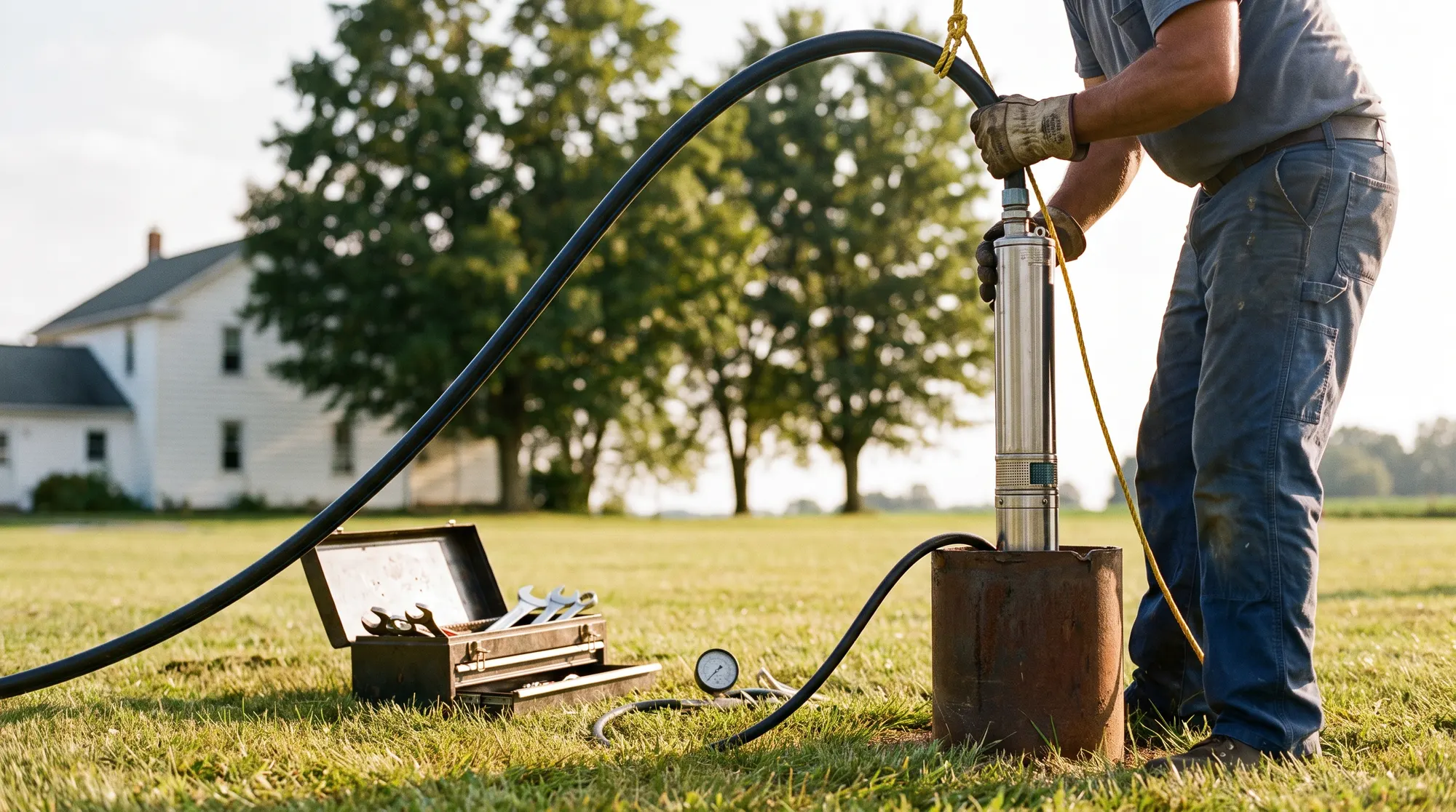 WELL PUMPS
The whole pumping system.
Submersible, jet, booster, and sump pumps, the switch, and the tank: sized, installed, and repaired.
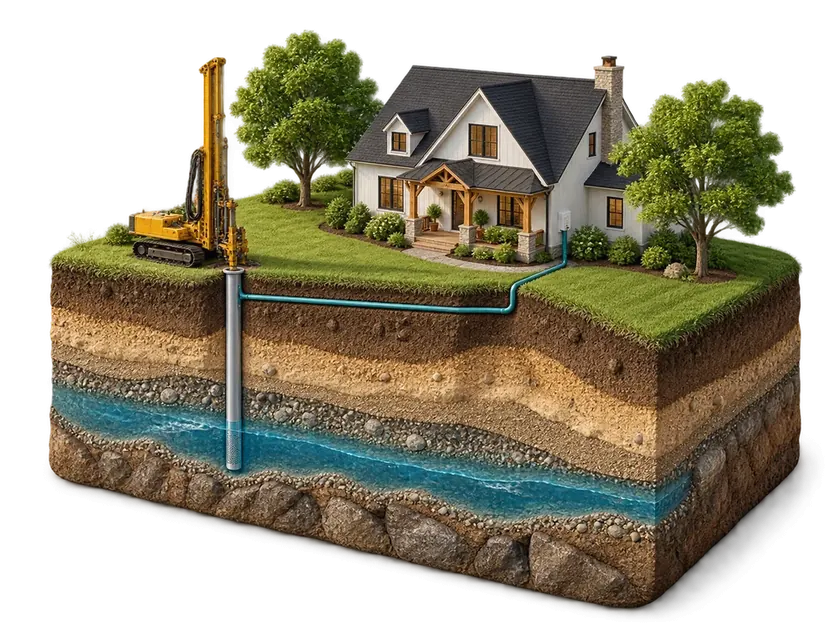
YOUR NEXT STEP
Switch Acting Up?
Don’t Touch It. Call.
For all your well, pumping system, and pressure switch needs, and to avoid any passive-aggressive notes from your plumbing system, contact Chatfield today.