
WATER TREATMENT · 45 MIN FROM OUR GREENVILLE OFFICE
The USGS record for Lawrence County wells points to two treatment steps, in order: iron removal, then softening. Iron has a median of 1.3 mg/L, and 86% of 29 sampled wells tested hard or very hard.
Serving our communities since 1967
USGS sampled Lawrence County wells between 1928 and 2023. That shows what is common here, and your own water test sets the size of the system.
Schedule a water test- Very hardMedian 12.3 gpg; 86% of 29 wells hard or very hardScale on fixtures, spotted glassware, a water heater working harder than it should. The softener is sized to your own test.The softener
- Iron79% of 29 wells above 0.3 mg/L; median 1.3 mg/LOrange staining that scrubbing never gets ahead of. The FerronX goes in at the point of entry, ahead of the softener.The iron system
- Manganese58% of 24 wells above 0.05 mg/LBlack flecks, dark marks in the dishwasher, a metallic taste. The FerronX takes it out with the iron, sized to whichever is higher.The iron system
- pHMedian pH 7.4; 0% of 27 wells below 6.5Acidic water pulls copper and lead out of the plumbing and leaves blue-green stains. A neutralizer goes ahead of everything else.Blue-green stains
- Not on recordBacteria, nitrate, PFAS, arsenicThe public record is minerals from a few dozen wells. The things that matter most to health are only in your own sample.Water testing
- 29 wellsIn the USGS record for Lawrence County. Each well counts once, as the median of its samples.
- 88 ftMedian well depth on record; the middle half fall between 66 and 114 feet.
- 45 minFrom our Greenville office by road. Same crews, same drive, for the whole area.
- WHAT YOUR TEST ADDS
- Your well’s numbers, not the county’s
- Bacteria and nitrate, which the record never covers
- Which equipment your water needs, and in what order
WHAT WE INSTALL IN LAWRENCE COUNTY
The Equipment Lawrence
Water Tends to Need.
Chatfield Water Systems is one line, with one system per problem. Your water test decides which ones you need and in what order; the county record shows which are likely.
- VERY HARD AT THE MEDIAN
Water softeners
86% of sampled Lawrence County wells were hard or very hard, at a median of 12.3 grains per gallon. Your softener is sized to your own test.
EXPLORE - 79% OF WELLS ABOVE THE IRON LINE
Iron & manganese removal
79% of sampled wells were above 0.3 mg/L of iron and 58% above the manganese line. The FerronX goes in at the point of entry, ahead of the softener.
EXPLORE - BY THE CALL, NOT THE RECORD
Sulfur removal
Hydrogen sulfide isn’t in the county record; the rotten-egg smell gives it away. Injection, dosed from the test, and the CataPure carbon system take it out.
EXPLORE - AFTER THE FILTERS
UV sanitation
Bacteria aren’t in the public record either; a coliform test finds them. The Luminor UV lamp follows a sediment filter and treats every gallon entering the house.
EXPLORE - AT THE SINK
Reverse osmosis
Nitrate, arsenic, lead and PFAS are dissolved and tasteless. The membrane takes them out at the tap you drink from.
EXPLORE - FIRST, EVERY TIME
A water test
Every system above starts with a test of your well or your tap water, from our Greenville office, about 45 minutes from Lawrence. What it finds decides which equipment you need and the order it goes in.
EXPLORE
WATER TREATMENT IN LAWRENCE COUNTY
What Lawrence Water Says,
and What We Do About It.
Iron first, at a median 1.3 mg/L
Iron was above the 0.3 mg/L staining line in 79% of 29 sampled wells, and the median, 1.3 mg/L, is well over that line. Manganese was above 0.05 mg/L in 58% of 24. The samples run from 1928 to 2023. At levels like these, iron tends to be what a household sees first: orange in the toilet tank, on fixtures and in the laundry.
The FerronX Iron System goes near the front of the line, at the point of entry, and takes the manganese out with the iron. Put a softener ahead of it and the iron coats the resin. If a well also smells of rotten eggs, the CataPure Carbon System with chlorine or peroxide injection takes care of that.
Then hardness at 12.3 grains per gallon
Hardness has a median of 12.3 grains per gallon, and 86% of 29 wells tested hard or very hard. Once iron is out, a LuxSoft water softener sized to your reading stops the scale on fixtures and inside the water heater. Your own reading may sit well above or below the county median, which is why the softener is sized to a test rather than to the record.
pH rarely needs correcting here: the median is 7.4, and none of the 27 wells sampled for pH was below 6.5. A calcite neutralizer is worth adding only if your own test says otherwise. Grit or cloudy water is a separate question; an Alluvium Sediment System at the front of the line handles it and protects the equipment behind it.
Chloramine on both American Water systems
Pennsylvania American Water's New Castle system, on the Shenango River, and its Ellwood City system, on the Connoquenessing and the Beaver River, both list chloramines. Ellwood City lists them for disinfection, New Castle for disinfection by-product control. Either way, the water that reaches the house carries chloramine, which lasts longer in the pipes than chlorine and passes through a softener. The CityLux removes chlorine and chloramine for the whole house.
Both systems also list permanganate for iron and manganese, powdered carbon for taste and odor, coagulation, settling and rapid sand filtration, an orthophosphate corrosion inhibitor, pH adjustment and an ultraviolet step. New Castle adds fluoride and lime with soda ash; Ellwood City adds greensand filtration and peroxide.
Borough wells and the lead record
Bessemer lists sequestration for iron and manganese, which holds the metals in solution rather than filtering them out. Volant lists permanganate and greensand filtration, and Wampum greensand filtration for iron. A private well has none of these steps; whatever iron it carries comes through to the tap.
Three systems have lead rounds on EPA's list, all under the 0.015 mg/L action level. New Castle: 0.003 mg/L in 2016, then 0.002 in 2019, 2022 and 2025. Ellwood City: 0.003, 0.001, 0.002 and 0.002. New Wilmington: 0.0022, recorded as zero in 2019, 0.0023, then 0.00095 in 2025. Each is a 90th percentile across a system's sampled taps, and yours can differ. A lead test at your sink gives your number, and reverse osmosis there is the usual answer if lead shows up.
From our Greenville office
New Castle is about 45 minutes and 28.3 miles by road from our Greenville office, and the rest of the county is the same crews and the same drive. From New Castle to Ellwood City and the townships around them, Chatfield serves Lawrence County homeowners, farmers, and contractors with the whole water system. The service map lists 9 Lawrence County communities:
- Bessemer
- Ellport
- Ellwood City
- Enon Valley
- New Beaver
- New Castle
- New Wilmington
- Volant
- Wampum
- The Lawrence County page
Source: Water quality: USGS National Water Information System results for Lawrence County wells, served through the Water Quality Portal, sampled between 1928 and 2023, retrieved 2026-09-14. Each well counts once, as the median of its samples. The 0.3 mg/L iron and 0.05 mg/L manganese marks are EPA secondary standards, which are aesthetic limits, not health limits. Well depth: USGS groundwater site inventory for Lawrence County, 171 wells with a recorded depth, retrieved 2026-09-14.
A LITTLE CLARITY
Lawrence County Questions.
Straight Answers.
Will a softener alone fix a Lawrence County well?
Not if the well carries much iron. Iron at the levels in the county's samples, a median of 1.3 mg/L, coats softener resin and keeps staining fixtures. The FerronX goes first and the LuxSoft after it. A test for iron, manganese and hardness together shows whether your well needs one system or both.
What does orthophosphate in New Castle and Ellwood City water do?
Both systems list an orthophosphate inhibitor for corrosion control. It forms a thin coating inside pipes that limits how much metal the water picks up from them. It says nothing about one house's service line or solder. The lead rounds, all under the action level, are system-wide figures; a test at your own tap is the check for your home.
Does New Wilmington treat the water it buys?
EPA's record lists no treatment steps for the New Wilmington Borough Water Department itself; it buys surface water from Aqua PA's Shenango Valley plant. That isn't the same as untreated water. The borough's four lead rounds are all under the action level, and its annual water report covers what reaches your tap.
Does a Lawrence County well need UV?
Only if a test finds bacteria. A private well has no disinfection unless the owner adds it, so test for coliform once a year and after well work or flooding. If it turns up, the Luminor UV goes after the iron filter, because iron and sediment shade the lamp. With iron above the staining line in 79% of the county's sampled wells, that order matters here.
Do you test water in Lawrence County?
Yes. Chatfield’s water test and consultation cover Lawrence County from our Greenville office, about 45 minutes away by road. The test measures what is in your water and at what level, and any equipment it points to is quoted after the results.
Which Lawrence County communities do you serve for water treatment?
All of them, from Greenville. The service map lists 9 Lawrence County communities, including Bessemer, Ellport, Ellwood City, Enon Valley, New Beaver, New Castle, and the townships between them; the county line is the boundary, not the town list.
Talk with the Chatfield team.
(724) 588-2652A LITTLE KNOWLEDGE GOES A LONG WAY
Know Your Water.
 WATER PROBLEMS
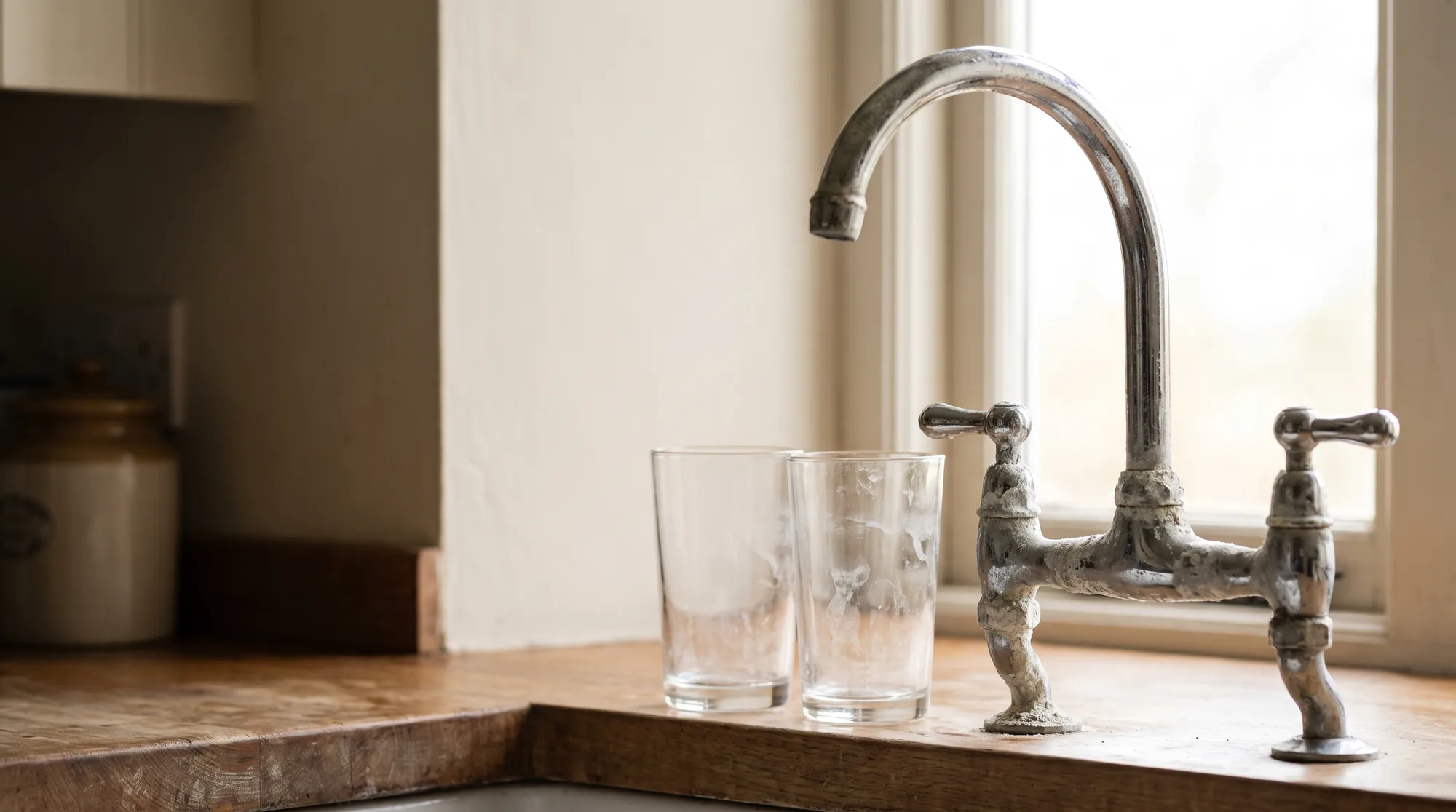
Do you have hard water?
The signs, the county hardness record, and how to confirm it.
 WATER PROBLEMS
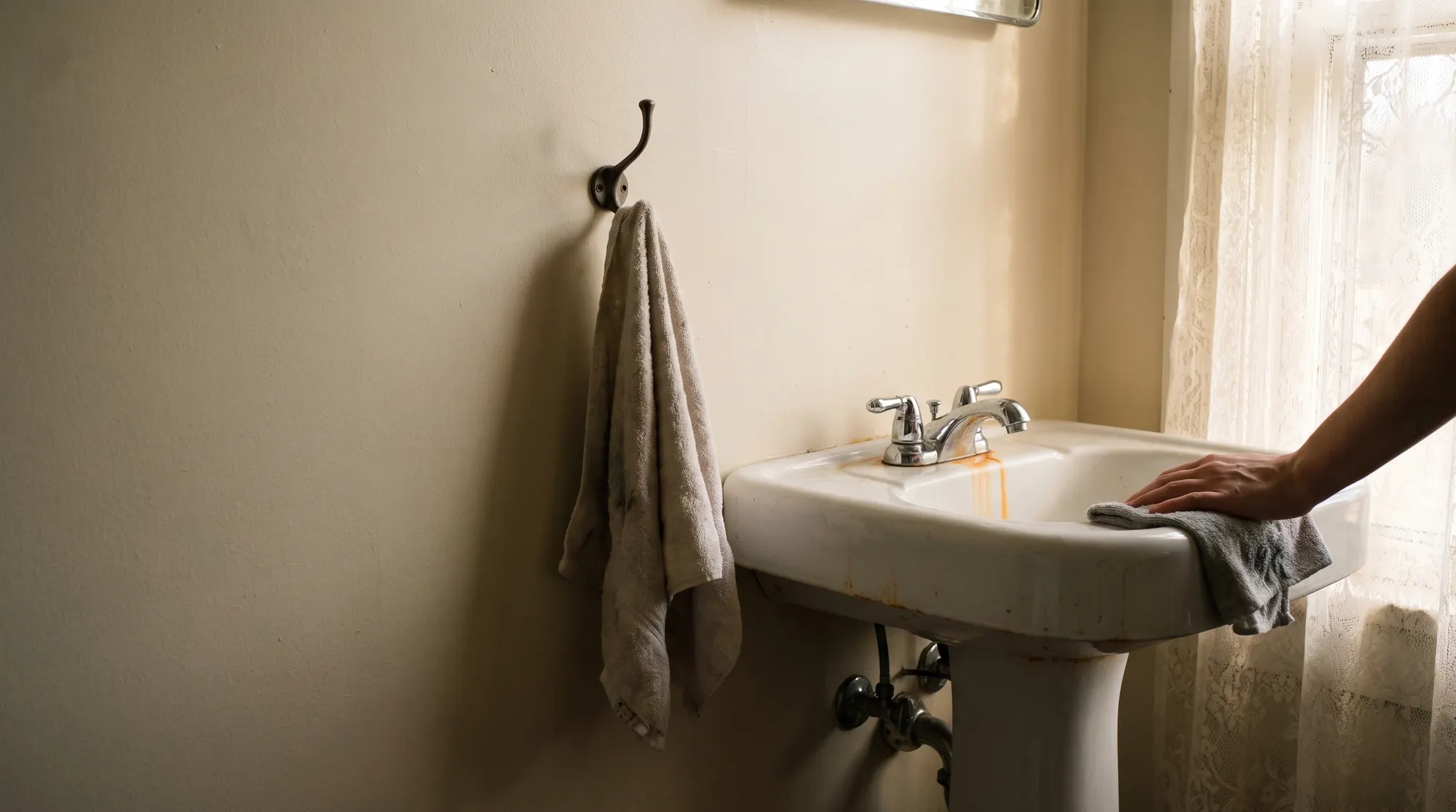
Orange stains from your well water.
Read the stain, the county iron record, and what to note before you call.
 WATER PROBLEMS
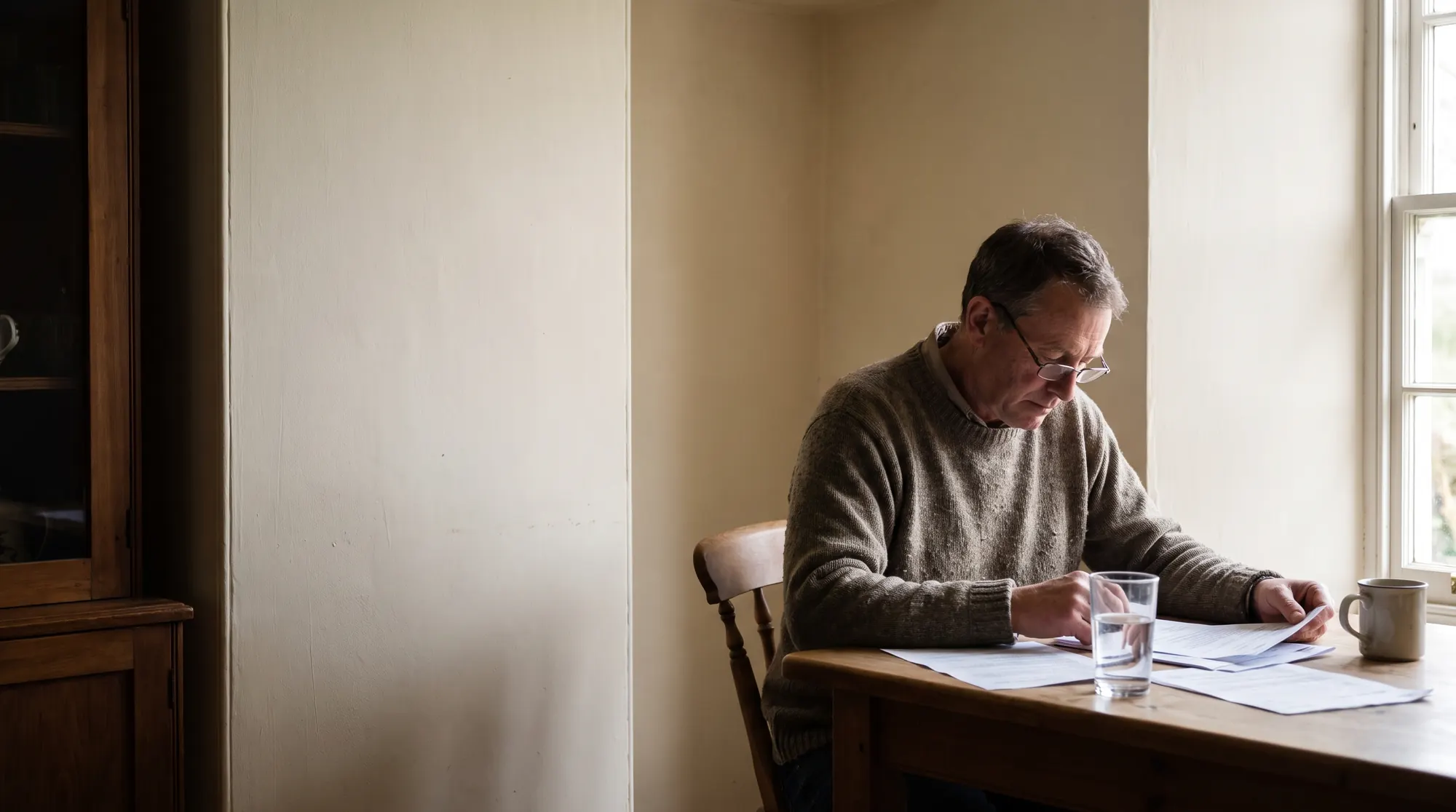
Bacteria in your water.
What a coliform result means, what to do now, and which treatment follows.
YOUR NEXT STEP
Better Water in Lawrence
Starts with a Test.
Call or fill out the form to schedule your water test. We’ll come out from Greenville, measure what is in the water, and recommend the equipment that fits.