The 712 domestic wells on file within 5 miles of Bessemer, from the state’s drilling logs: your neighbors’ wells, and the best guide to this ground.
Source: PaGWIS (PA DCNR), domestic wells within 5 miles, retrieved 2026-09-30; older paper-record locations are approximate.
Planning for a 200-Foot Well Near Bessemer
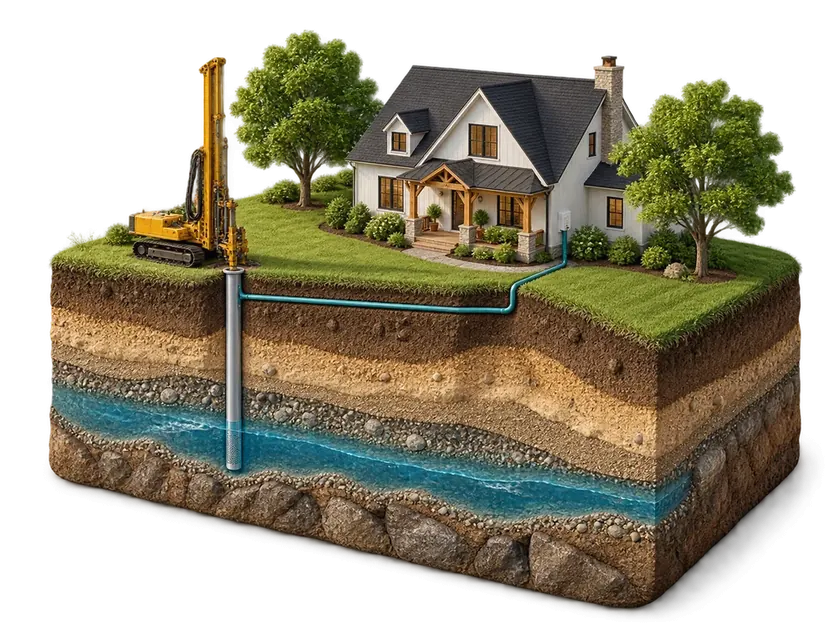
The depth logs here start deep and stay deep: only a quarter of the 712 records finished at 110 feet or less. The Allegheny Formation is mapped at the town center, Pennsylvanian layers of sandstone, shale, limestone, clay and coal, and a typical bore spends far more of its length in rock than above it.
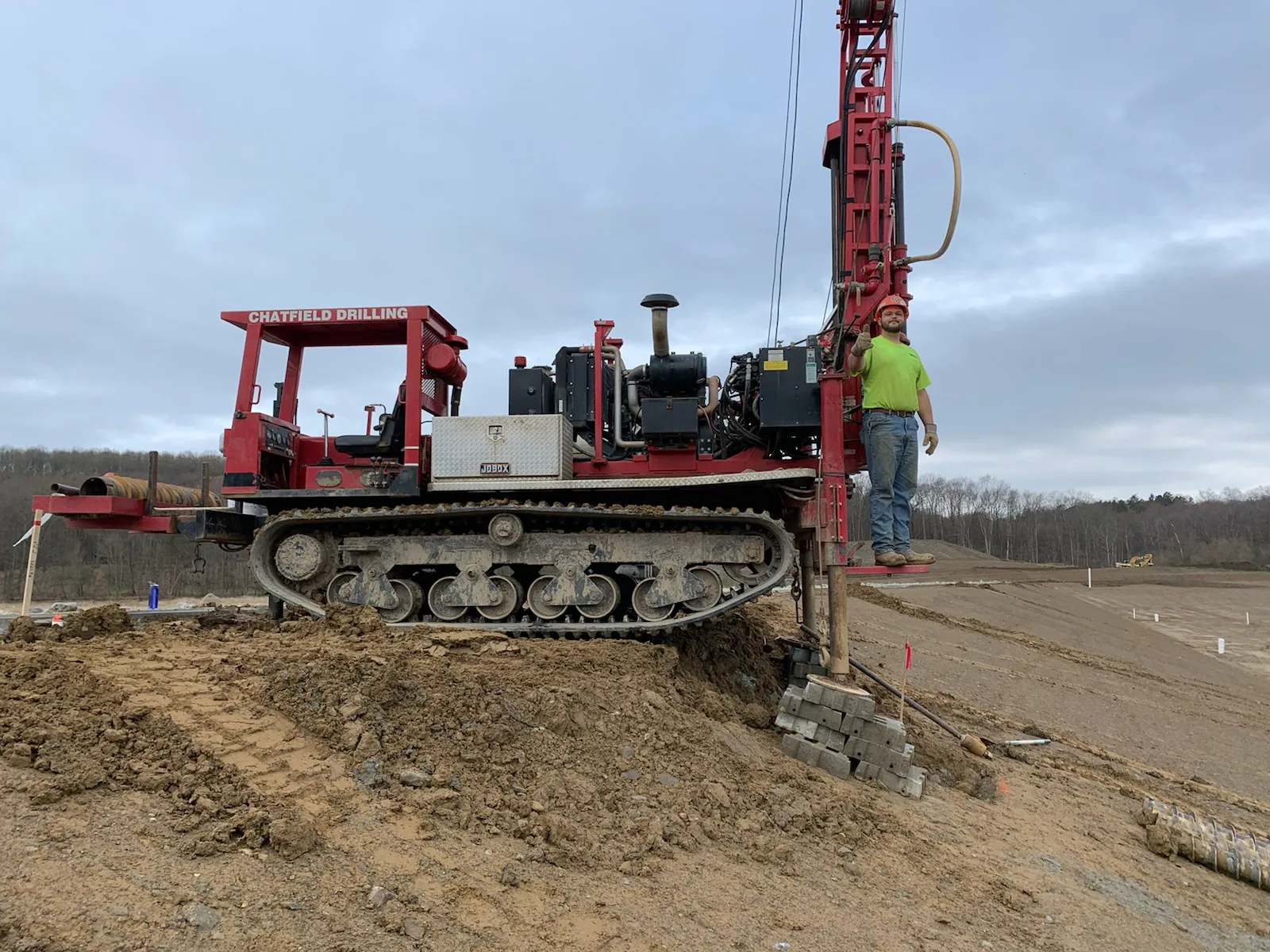
A deeper well costs more to drill, and it needs a pump system chosen for the depth: a submersible pump with the wire, pipe and horsepower for the depth it is set at. The cost page explains how footage adds up. Chatfield’s crew comes from the Cortland office, and PA DEP permit assistance is part of the job on this side of the state line.
Two Borough Wells and Sequestration
EPA lists Bessemer Borough Water Department as a groundwater system with two active wells, Well #1 and Well #2, and one treatment plant. It serves about 1,100 people through 498 connections. The steps it reports are chlorine, sequestration for iron and manganese, and 4-log treatment of viruses. Sequestration binds those metals so they stay dissolved rather than filtering them out, and the virus treatment means nearly every one is killed. Customers get their water report from the borough.
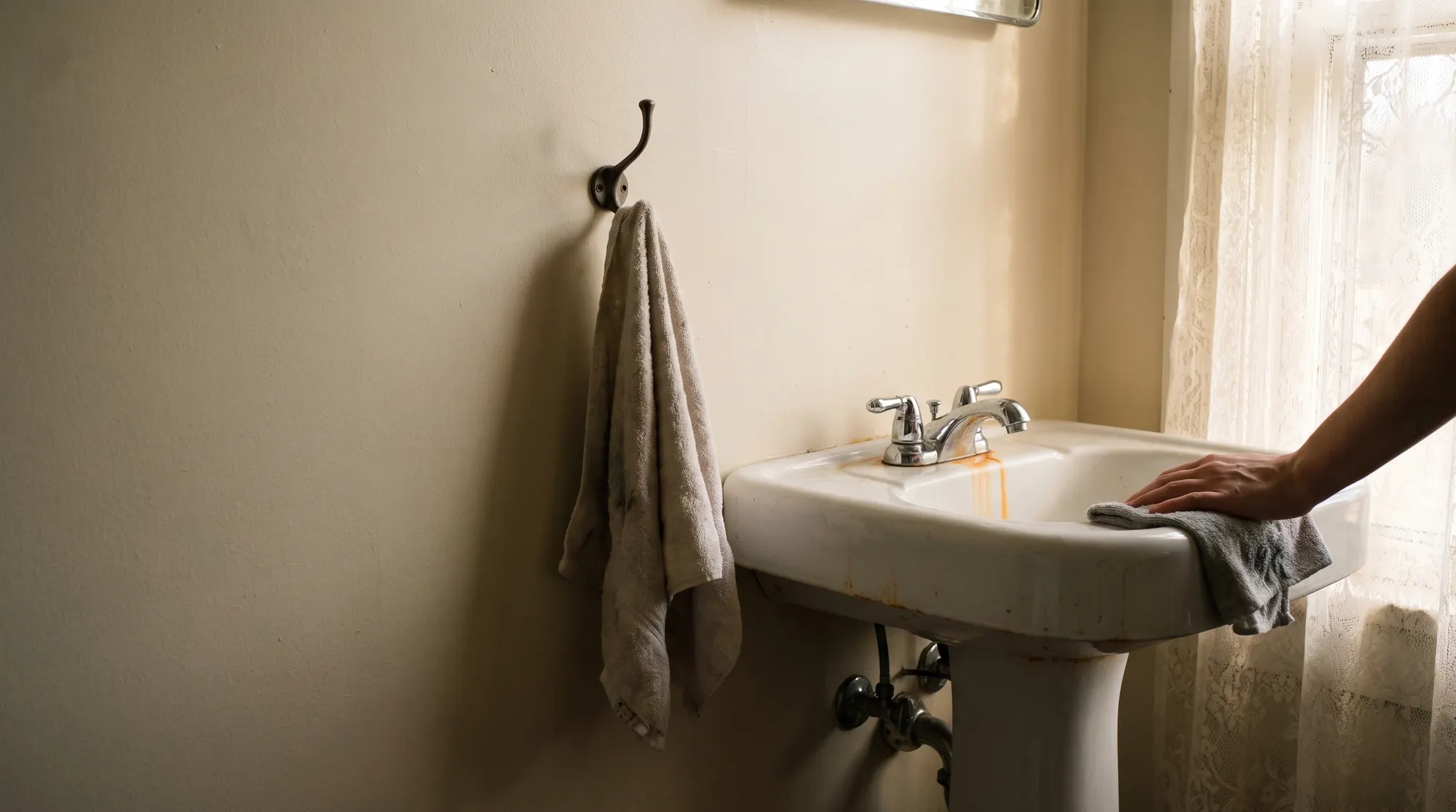
On a private well, iron is removed rather than held. A FerronX Iron System takes it out where the water enters the house. Iron turns up often in the county’s USGS well samples, so a water test is worth doing before choosing equipment. See iron removal for how it fits.