

WATER TREATMENT · SERVICE & REPAIR
The glassware is spotting again and the salt has not moved in a month. A softener that stops softening has one of a few causes, and the visit finds it before anything is replaced.
Serving our communities since 1967
Spots on the glassware again, soap that will not lather, scale at the tap: a softener that has stopped softening is either not getting brine or not moving water through the resin. The visit answers which before anything is replaced.
Schedule softener serviceThe brine tank looks full but the level has not moved in weeks: a salt bridge, a hard crust with a hollow under it, or salt mushed into sludge at the bottom. The softener regenerates on schedule and nothing changes, because no brine reaches the resin.
The salt goes down normally, but the water is still hard. The cause is resin fouled by iron, a valve that is not cycling, a stuck bypass, a timer or meter set wrong after a power outage, or a unit sized for a smaller household than the one using it. Salty water and constant regeneration point here too.
The water may also have changed. A well that gained iron or hardness since the softener was sized can overrun it, and the test on the service visit shows whether the number moved.
- The brand and ageThe label on the valve head names the make and model; the install date is on the tank or in your records.
- The saltWhen it was last filled, whether the level moves, and whether the crust gives when pressed with a broom handle.
- Leave the valveTurn the bypass if water is pouring. Leave the valve head, the timer, and the drain line for the service visit.
- WHAT A SERVICE VISIT CHANGES
- The cause named and fixed, not the softener swapped on a guess
- Hardness measured at the tap before and after, and written down
- Salt, settings, and the next service date, so it stays fixed
IS THIS YOUR SOFTENER?
The Signs a Softener
Has Stopped Softening.
Most of them look like hard water coming back. One of them, salty water, is the softener working too well in the wrong direction.
WHAT A SERVICE VISIT CHECKS
Test, Brine, Valve,
Resin. In That Order.
We check the four places a softener fails, cheapest first, so a salt bridge is never fixed with a new valve.
- 01
Test at the tap
Hardness is measured at a tap after the softener and at the bypass before it. If both read the same, the softener is passing water untreated; if the raw number has climbed since the install, the well changed.
- 02
Check the brine
The salt level, a bridge or mush under the surface, the brine well and float, and whether the tank draws and refills. Most softeners that quit are not getting brine.
- 03
Cycle the valve
A manual regeneration, watched: backwash, brine draw, rinse, refill. A valve that skips a step, a motor that stalls, a seal that leaks, or settings scrambled by a power outage show up here.
- 04
Read the resin
Iron-fouled resin, a crushed bed, or a unit sized for a smaller family than the one using it. The fix is a resin cleaner, new resin, an iron filter ahead of the softener, or a larger unit, and the visit says which.
SOFTENER REPAIR & SERVICE
Fix the Softener You Have
Before You Buy Another.
A water softener is a simple machine with a few ways to fail, and most of them are cheap to put right. The brine tank can stop delivering salt to the resin. The valve can stop cycling or cycle wrong. The resin can be fouled by iron or worn out by years of use, or the household can outgrow the unit. The visit tells them apart with a hardness test on each side of the softener and a watched regeneration, and the repair follows from that, not from the age of the unit or the name on the tank.
The salt problems
A salt bridge is the most common reason a working softener stops softening: a crust forms across the brine tank, the salt under it dissolves away, and the tank looks full while the softener draws air. Mushing is the same failure at the bottom of the tank, a sludge the brine well cannot pull from. Both are fixed on the spot; if they keep coming back, the room’s humidity, the salt type, or an overfilled tank is the reason, and that gets fixed too. The salt-bridge field note has the check you can do before you call.
The valve problems
The valve head is the softener’s brain and its plumbing at once. A power outage can reset its clock so it regenerates at noon or not at all. An injector or drain line can clog so the brine draw fails. A seal or piston can wear so water bypasses the resin, or a motor can stall mid-cycle. Salty water at the tap is nearly always a valve symptom. Parts for the common valve platforms are on the truck, and a rebuild is far cheaper than a softener.
The resin problems
Resin lasts many years on clean water and far fewer on water with iron in it, which coats the beads until they cannot exchange. A resin cleaner recovers a lightly fouled bed; a heavily fouled one is replaced, and the iron that fouled it is taken out ahead of the softener with a FerronX so the new resin lasts. If the well itself changed, the test shows it, and the sequence is resized rather than the softener blamed.
Repair or replace, and how we decide
We repair what can be repaired. When a softener is past it, because the resin is done, the valve is obsolete, or the unit was never sized for the house, we show you the readings and quote a replacement sized to your test. What a new one costs, and what moves the number, is on the softener cost page.
Serving Western PA and Eastern OH
Softener service from our Greenville and Cortland offices across ten counties:
HOW A SERVICE CALL GOES
Diagnose First.
Then Fix the Part.
Tell us what the water and the salt are doing, and the visit does the rest.
- 01
Tell us what changed
When the water went hard again, what the salt is doing, the make and model on the valve head, and the install date if you have it.
- 02
We come and test
From Greenville or Cortland, with the parts for the common valves on the truck. Hardness before and after the softener, then the brine, the valve, and the resin.
- 03
Repair, or say why not
A bridge broken up, a valve rebuilt, settings corrected, resin cleaned or replaced. If the unit is past repair or undersized, we say so and show the numbers.
- 04
Leave it working
Salt topped up, settings written on the unit, hardness confirmed at the tap, and a note of when to have it looked at next.
A LITTLE CLARITY
Softener Repair Questions.
Straight Answers.
Why is my water hard again when the softener has salt in it?
The usual reason is that the salt is not reaching the resin. A salt bridge is a hard crust across the brine tank with a hollow underneath, so the tank looks full while the softener draws nothing; mushed salt at the bottom does the same. The other reasons are a valve that is not cycling, a bypass left open after plumbing work, or resin fouled by iron. The service visit tests the water on both sides of the softener and checks each in turn.
How do I know if it is a salt bridge?
Press a broom handle straight down into the salt. If it stops on a crust and then breaks through into a hollow, that is the bridge. Breaking it up and letting the tank draw is often the whole fix; if it keeps coming back, the humidity in the room or the type of salt is the cause, and the visit sorts that out too. Our field note on the salt bridge walks through the check.
Why does my water taste salty?
Brine is getting to the taps instead of the drain. That is a valve problem more often than a salt problem: a rinse cycle cut short, a clogged injector or drain line, or a float stuck in the brine tank so the refill overfills. It is not dangerous in the short term, but it is not right, and it is quick to diagnose.
Do you repair softeners Chatfield did not install?
The brands in our manuals index, yes: the Chatfield LuxSoft and the WaterCare line, and the pump and valve brands we carry parts for. For another make, call the office with the model from the valve head; if we can get the parts, we can usually service it, and if we cannot we will say so on the phone rather than on your basement floor.
Repair or replace?
Repair, when the tank and resin are sound and the fault is salt, a valve part, or settings. Replace, when the resin is exhausted or iron-fouled beyond cleaning, the valve is obsolete, or the softener was never sized for the household. We show the hardness readings and the age either way, and a replacement is quoted, never assumed.
How often should a softener be serviced?
Once a year is ordinary: salt checked, the brine tank cleaned, the valve cycled and watched, hardness measured at the tap, and the settings confirmed. The annual well checkup includes it for homes on a well, and it catches the bridge or the slipping valve before the water goes hard.
Talk with the Chatfield team.
(724) 588-2652A LITTLE KNOWLEDGE GOES A LONG WAY
Know Your Water.
 FIELD NOTES
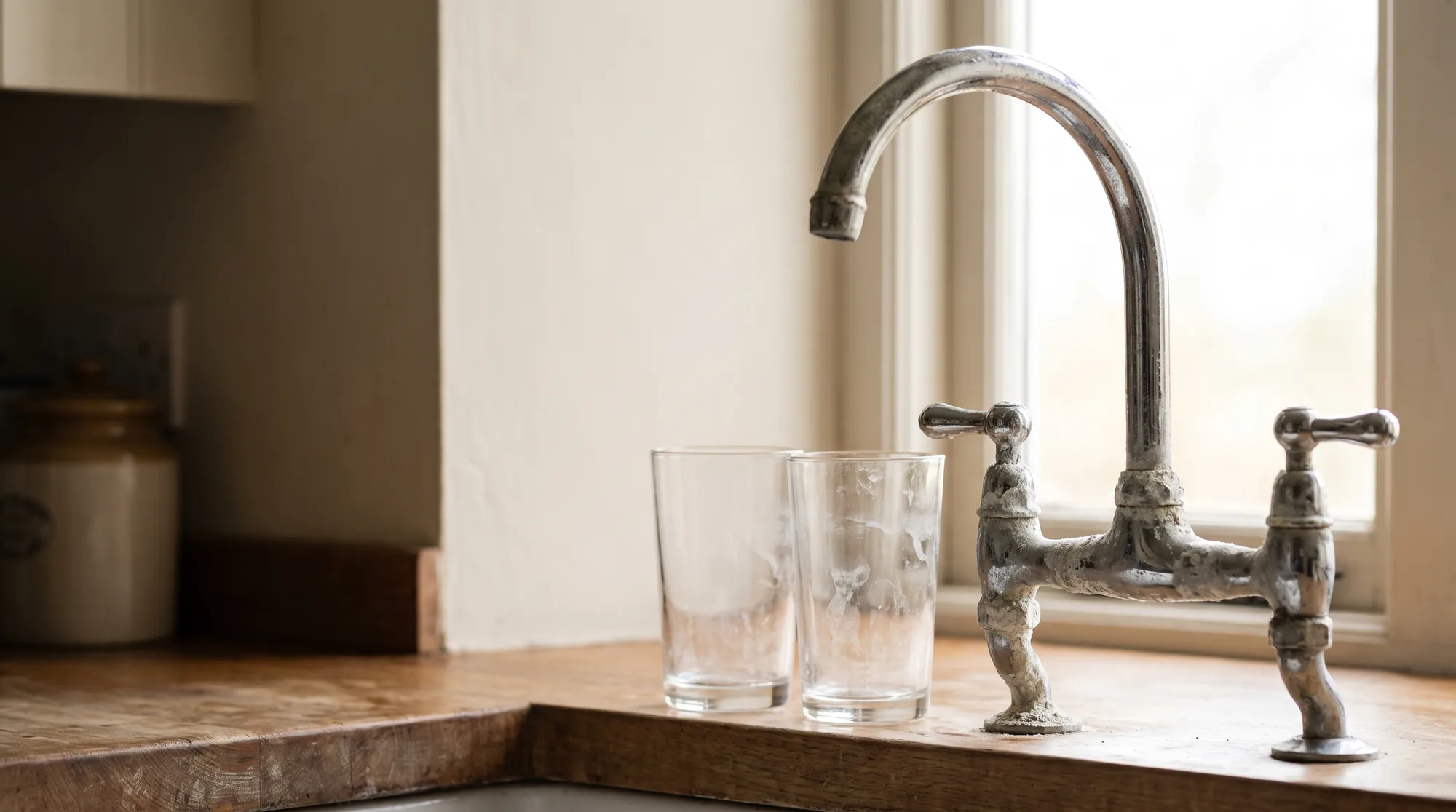
The salt bridge, explained.
When the brine tank looks full but the water feels hard: what to check before you call.
 WATER TREATMENT
Water softener installations.
When a repair is not the answer: a new LuxSoft, sized to your water and the people using it.
 WATER TESTING
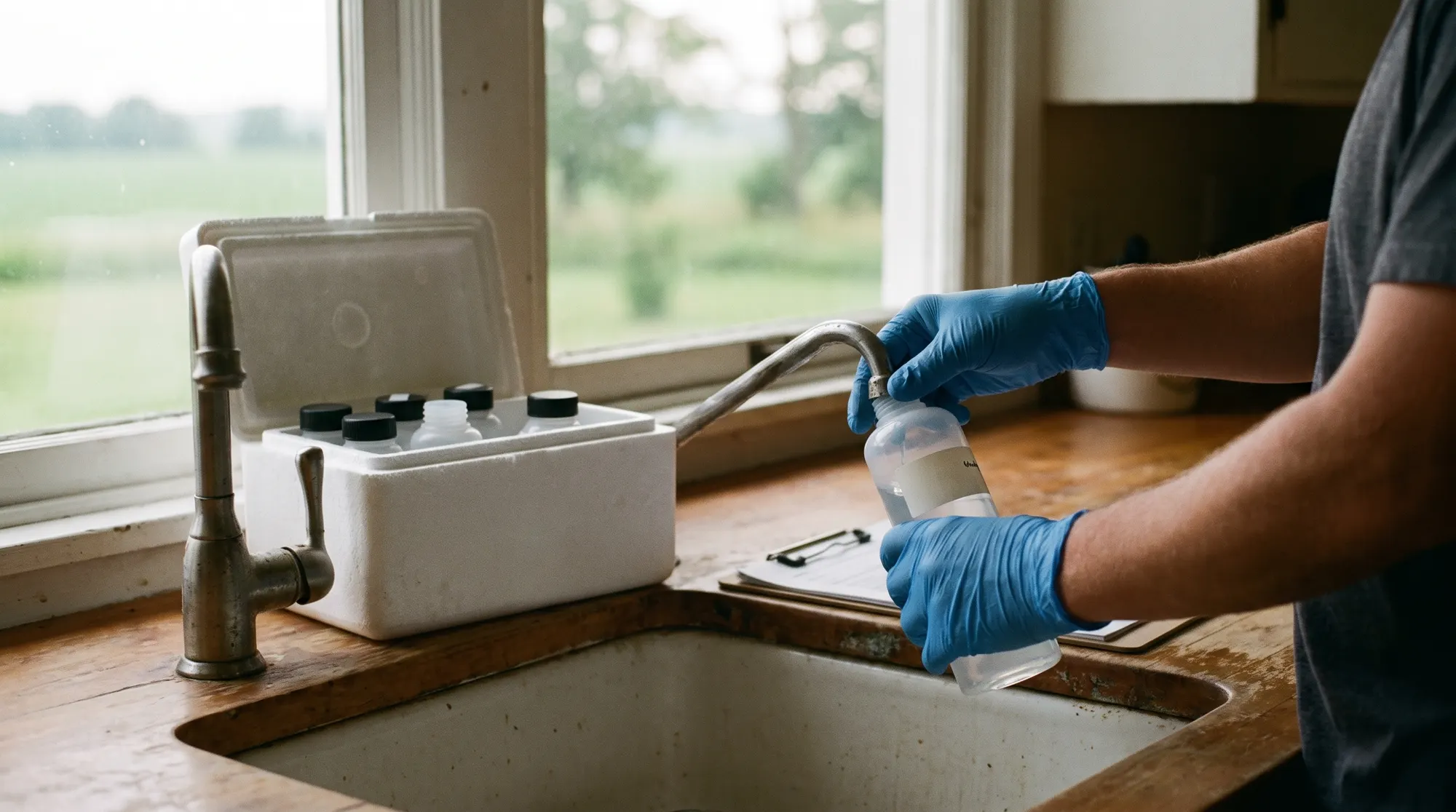
Water testing, explained.
What a test measures, what the results mean, and what happens next.

YOUR NEXT STEP
Soft Water Back
Starts with a Visit.
Call or fill out the form. We’ll test on both sides of the softener, name the cause, and fix that, not the whole machine.