
WATER TREATMENT · WESTERN PA & NORTHEAST OHIO
The water you drink and cook with, from its own faucet at the kitchen sink. A reverse osmosis membrane blocks what a filter bed cannot: nitrates, arsenic, lead, dissolved solids. Installed after the test says it belongs, and after any whole-home treatment your water needs.
Serving our communities since 1967
RO is a point-of-use system: it lives under the kitchen sink and feeds one dedicated faucet. Whole-home filtration treats everything at the point of entry. They solve different problems, and many wells here need both.
Schedule a water testNitrates and nitrites, arsenic, lead and heavy metals, dissolved salts and sodium, fluoride, certain pesticides and herbicides, pharmaceuticals and micro-contaminants: the dissolved things a membrane blocks and a filter bed cannot. It treats drinking and cooking water only.
Iron and manganese, hardness and scale, hydrogen sulfide, sediment and turbidity, bacteria (with UV), chlorine and chloramine: the problems that show up at every shower, tap, and appliance. The whole-home sequence.
RO does not handle iron or hardness well; iron fouls the membrane and shortens its life. Where the test finds both kinds of problem, the whole-home equipment goes first and the RO unit polishes the drinking water last.
- 10 mg/LNitrate, as nitrogen. The EPA limit; farm country and shallow wells are where it climbs.
- 10 µg/LArsenic. Naturally present in some Pennsylvania bedrock; no taste, no color.
- 4 pptPFOA and PFOS, each. The 2024 EPA maximum for public systems; a reference for a private well.
- WHAT RO CHANGES
- Drinking and cooking water from its own faucet
- No bottled water, no pitcher cartridges
- Coffee, tea, and ice that taste like the water
IS THIS YOUR WATER?
When the Answer
Is at the Sink.
Reverse osmosis is the fix for a particular kind of result: something dissolved in the water that no whole-home system takes out. These are the tests and the households that call for it.
HOW REVERSE OSMOSIS WORKS
Pushed Through a Membrane,
One Glass at a Time.
An RO unit is a small stack of cartridges under the sink. Water goes through them in order, the membrane does the real work in the middle, and the result waits in a tank for the faucet.
- 01
Sediment pre-filter
Particles, dirt, and rust are caught first, so they never reach the membrane. On a well with iron or grit, the whole-home equipment ahead of the unit does the heavy lifting.
- 02
Carbon pre-filter
Chlorine and organic compounds are taken out next; both damage the membrane if they reach it.
- 03
The membrane
Water is pushed under pressure through a semi-permeable membrane with pores so small they block dissolved solids, heavy metals, nitrates, and many other contaminants. What the membrane rejects goes to the drain.
- 04
Post-carbon, remineralize, store
A carbon post-filter polishes the taste, the Oasis Sanic’s remineralizing stage returns the minerals the membrane took out, and the water waits in a small tank for its own faucet at the sink.
REVERSE OSMOSIS
Reverse Osmosis for Drinking Water
in Western PA and Eastern OH.
Reverse osmosis is a point-of-use technology: it treats water at a single location, almost always the kitchen sink. Water is pushed under pressure through a semi-permeable membrane with pores so small they block dissolved solids, heavy metals, nitrates, and many other contaminants. The purified water is stored in a small holding tank and dispensed through a dedicated faucet. It is exceptionally effective, but only at the one faucet it serves.
What reverse osmosis is for
RO excels at the dissolved contaminants a filter bed cannot catch: nitrates and nitrites, common in the farmed parts of our counties; arsenic, which occurs naturally in some Pennsylvania bedrock; lead and heavy metals; dissolved salts and sodium; fluoride; certain pesticides and herbicides; and pharmaceuticals and micro-contaminants. Those are the results on a water test that send a household to an RO unit, and most of them have no taste, color, or smell to warn you first.
What it is not for
The trade-off is that RO only treats water at one faucet. Your shower, laundry, dishwasher, and every other tap receive untreated water. Problems that show up throughout the house, such as iron and manganese staining, hardness and scale, sulfur odor, sediment, bacteria, and chlorine, are whole-home filtration jobs at the point of entry. And RO does not handle iron or hardness well: iron can foul the membrane quickly, reducing its effectiveness and lifespan. That is why many homeowners with complex water end up using both, a whole-home system for iron, hardness, and sediment, and an RO unit under the kitchen sink for the drinking water.
The unit Chatfield installs
For drinking water, Chatfield relies on the Atlas Filtri Oasis Sanic with 3M Microban technology. It uses a multi-stage reverse osmosis process to remove impurities and contaminants. 3M Microban antimicrobial protection is embedded within critical components for continuous defense against bacteria, mold, and mildew, which minimizes the risk of biofilm forming inside the unit over time. The design is compact with intuitive controls, and a remineralizing stage reintroduces essential minerals after the membrane, so the water tastes like water. The manuals page also carries the owner’s manual for the WaterCare ClearFlo reverse osmosis system, for homes that have one.
Reject water, and upkeep
RO systems produce some wastewater as part of the process, typically three to four gallons of reject water for every gallon purified. On a well it simply goes down the drain, and because the unit only makes drinking and cooking water the total is small, but it is worth knowing before the installation. Filters and the membrane are changed periodically, and most homeowners can do that themselves following the manufacturer’s instructions; a professional check of pressure and flow every few years is a good idea, and Chatfield sets you up with the schedule.
Choosing: RO, whole-home, or both
Choose an RO system if your test shows elevated nitrates, arsenic, or dissolved solids, if you want premium drinking and cooking water at the kitchen tap, or if your overall water quality is decent and you want a last line of defense for the water you drink. Choose whole-home filtration if the test shows iron, manganese, hardness, or sulfur odor, if you are seeing rust stains on fixtures and laundry, if you want filtered water at every tap, or if the well has a history of bacterial contamination. Consider both if your water has several problems at once. The single most important step before any decision is the test; without it you are guessing, and guessing costs money.
Serving Western PA and Eastern OH
Reverse osmosis systems, tested first and installed at the sink, across ten counties:
ALSO ON REVERSE OSMOSIS
What an RO
System Costs.
Under-sink or whole-house, the stages, and what it feeds: the levers on the number.
HOW WE INSTALL IT
Test First.
Then the Sink.
Whether RO belongs in your home, and what goes ahead of it, is a question the test answers. Then the installation is an afternoon.
- 01
Test your water
Nitrate, arsenic, lead, PFAS, dissolved solids: the test says whether RO is the answer, and whether iron or hardness need whole-home treatment ahead of it.
- 02
Assess the sink & the sequence
The cabinet, the drain, the faucet position, and where the unit sits in the order of any whole-home equipment.
- 03
Install
The unit under the sink, its storage tank, the drain line, and a dedicated faucet beside the main tap. Verified running before we leave.
- 04
Filters on a schedule
A change schedule for the cartridges and the membrane, most of which an owner can do, and a professional check of pressure and flow every few years.
A LITTLE CLARITY
Reverse Osmosis Questions.
Straight Answers.
Do I really need a reverse osmosis system with well water?
Not every private well needs one. Reverse osmosis is one of several high-performance options Chatfield uses, and it suits certain contaminants and certain goals, particularly for drinking water. Whether it belongs in your system, and whether it should be paired with whole-home treatment, depends on your test results rather than on a general recommendation.
What does reverse osmosis remove?
The membrane blocks dissolved contaminants at the molecular level: nitrates and nitrites, arsenic, lead and other heavy metals, dissolved salts and sodium, fluoride, certain pesticides and herbicides, and pharmaceuticals and other micro-contaminants that most other filtration cannot touch. Those are the results that send a household to an RO unit, and the test is what shows whether any of them are present.
Does reverse osmosis remove iron or hard water?
Not well, and it should not be asked to. Iron fouls the membrane quickly and shortens its life, and hardness scale does the same. Where the test finds iron, manganese, hardness, or sulfur, the whole-home system for that problem goes at the point of entry first, and the RO unit polishes the drinking water last. Many wells in our counties run both.
Does an RO system waste water?
It produces reject water as part of the process: typically three to four gallons to the drain for every gallon purified. On a well that water simply goes down the drain, and because the unit only makes drinking and cooking water, the total is small, but it is worth knowing about before the installation rather than after.
How often do the filters and membrane need changing?
The pre-filters and post-filter are changed periodically and the membrane less often; the schedule depends on your water and your use, and most owners can do the changes themselves following the manufacturer’s instructions. Having a professional check pressure and flow every few years is a good idea. The ClearFlo owner’s manual is in our resource center, and Chatfield sets up the schedule at the installation.
Which RO system does Chatfield install?
The Atlas Filtri Oasis Sanic: a multi-stage reverse osmosis process, 3M Microban antimicrobial protection embedded in its critical components to resist bacteria, mold, and biofilm, a compact design, and a remineralizing stage that returns essential minerals after the membrane so the water tastes like water. Call (724) 588-2652 to schedule a water test.
Talk with the Chatfield team.
(724) 588-2652A LITTLE KNOWLEDGE GOES A LONG WAY
Know Your Water.
 WATER PROBLEMS
PFAS, nitrates, arsenic, lead.
The contaminants you cannot taste, what a standard panel misses, and which treatment follows.
 WATER TREATMENT
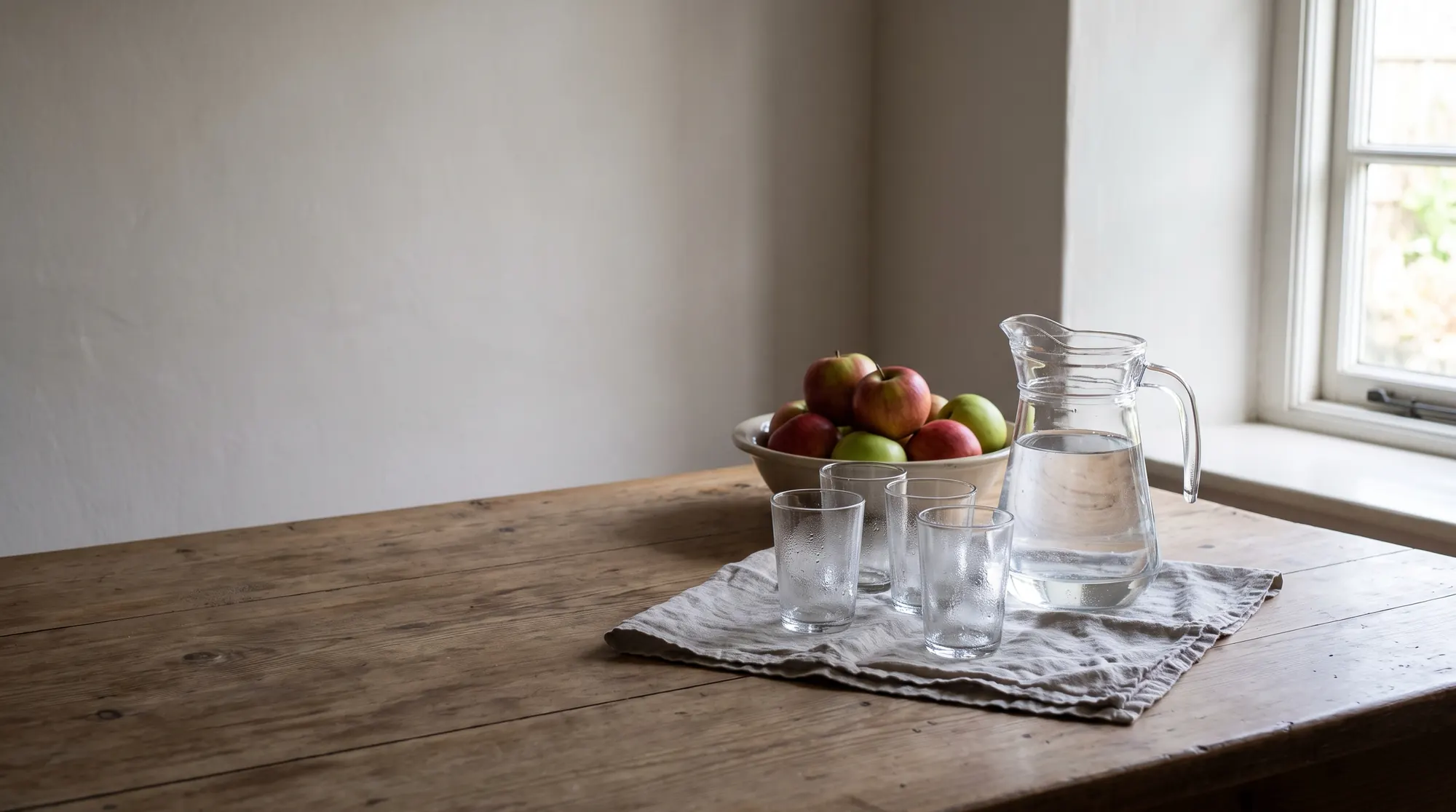
Water filtration systems.
Iron, sulfur, sediment, and manganese: the whole-home sequence and where each system goes.
 WATER TESTING
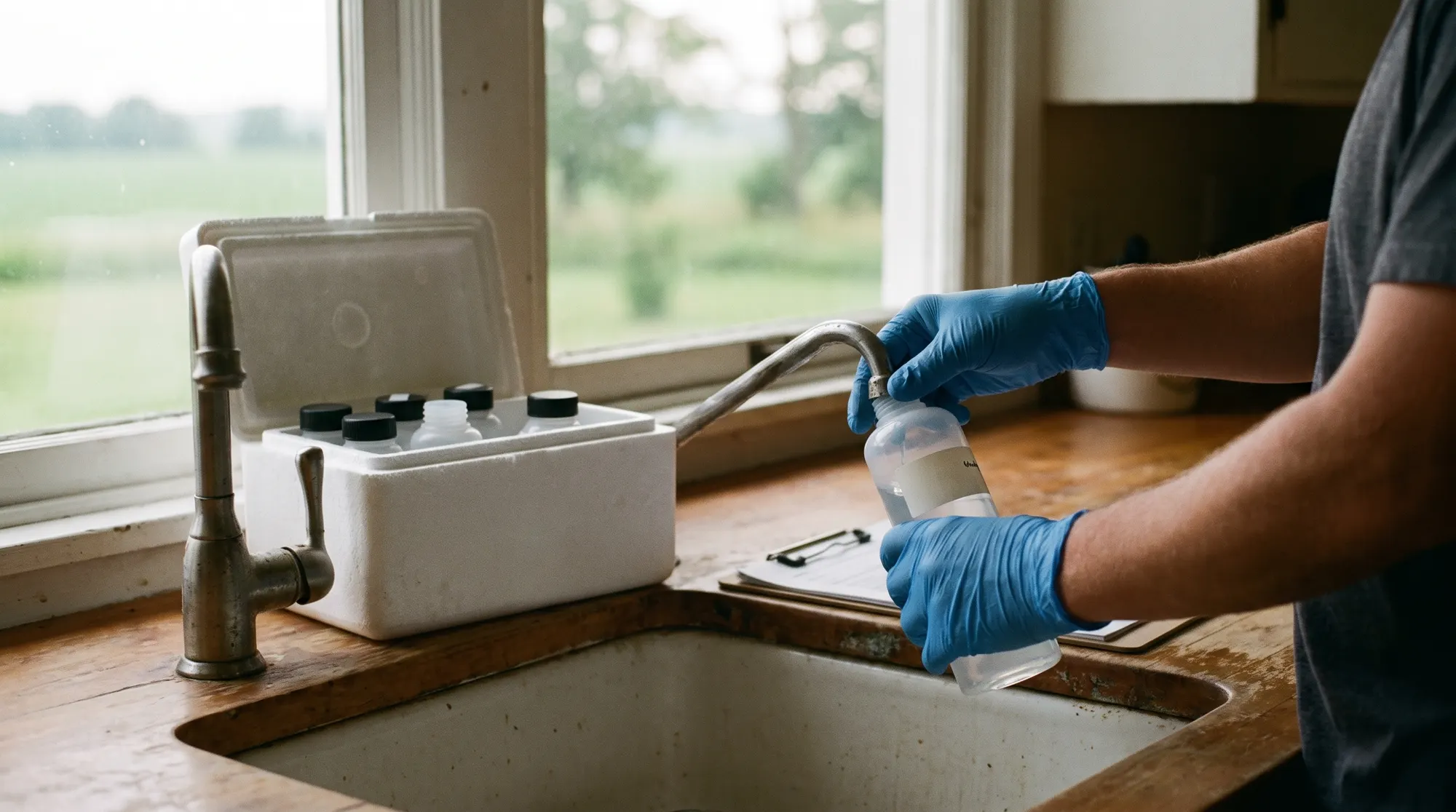
Water testing, explained.
What a test measures, what the results mean, and what happens next.

YOUR NEXT STEP
Cleaner Drinking Water
Starts with a Test.
Call or fill out the form to schedule your water test. We’ll confirm what is in the water and whether reverse osmosis is the right fix for the tap that matters most.