
WATER TREATMENT · OUR CORTLAND OFFICE IS IN TOWN
Cortland’s city water is groundwater from seven wells in three well fields, treated with chlorine gas and fluoride. EPA lists no softening or iron removal, so a test at your tap tells you what the ground left in it.
Serving our communities since 1967
USGS sampled Trumbull County wells between 1997 and 2013. That shows what is common here, and your own water test sets the size of the system.
Schedule a water test- pHMedian pH 7.3; 12% of 24 wells below 6.5Blue-green stains
- Town waterthe Cortland City public water system: about 7,105 people, its own wellsWater softeners
- Not on recordBacteria, nitrate, PFAS, arsenicWater testing
- 24 wellsIn the USGS record for Trumbull County. Each well counts once, as the median of its samples.
- 1,394 wellsDomestic wells on file within 5 miles of Cortland, a median 100 feet deep.
- In the countyOur Cortland office is inside Trumbull County, so getting a crew to you is a short trip.
- WHAT YOUR TEST ADDS
- Your well’s numbers, not the county’s
- Bacteria and nitrate, which the record never covers
- Which equipment your water needs, and in what order
WHAT WE INSTALL IN CORTLAND
The Equipment Cortland
Water Tends to Need.
Chatfield Water Systems is one line, with one system per problem. Your water test decides which ones you need and in what order; the county record shows which are likely.
WATER TREATMENT IN CORTLAND
What Cortland Water Says,
and What We Do About It.
Seven wells, three Cortland well fields
Cortland’s city water system (EPA ID OH7800512) is run by local government and serves 7,105 people through 2,949 connections. Its water comes from 7 active wells: four in the South Well Field, two in the North Well Field and one in the New Well Field. EPA lists three treatment plants, named Willow Park/South Wells, Admin. Building/North Wells and Bradley Brownlee, plus one storage tank.
Because the source is groundwater, whatever is dissolved in it travels to the mains unless a step takes it out, and the steps listed don’t include one for hardness or iron. That makes a test at your own tap the practical starting point.
Gas chlorine at two points, plus fluoride
EPA lists gaseous chlorination twice for the system, once early in treatment and once after, both for disinfection, along with fluoridation. The disinfectant is chlorine, and chloramine isn’t on the list. Chlorine carries a taste some people notice at the kitchen tap and in the shower, and a whole-home CityLux removes it at the point of entry.
EPA’s lead table has rounds for 2016, 2018, 2019, 2020 and 2023, and each records the 90th percentile as 0 mg/L, under the 0.015 mg/L action level. That describes sampled homes across the system. Your own tap reflects your own service line and fixtures, and a home test is how you know. If one finds lead, reverse osmosis at the kitchen sink is the usual answer.
Private wells: a median 20 gallons a minute
For private wells, ODNR logs within 5 miles put the median yield at 20 gallons a minute, with half the wells between 15 and 25. The median well is 100 feet deep, half between 75 and 130. Rock starts at a median 23 feet, and water stands a median 30 feet down. The mapped bedrock is the Maxville Limestone with the Rushville, Logan and Cuyahoga Formations, Devonian to Mississippian in age.
Good flow says nothing about quality, though. The county record carries only pH, so hardness, iron, manganese and bacteria come from your own water test, and each result that comes back high is matched to one piece of equipment, from a FerronX for iron to a Luminor UV for bacteria.
From our Cortland office
Our Cortland office is in town, and the municipalities around it get the same crews and the same drive: Bazetta Township, Fowler Township, Mecca Township, Johnston Township, Howland Township, Champion Township, Vienna Township, Warren, Bristol Township, Hartford Township. Nearby on the map:
Source: Water quality: USGS National Water Information System results for Trumbull County wells, served through the Water Quality Portal, sampled between 1997 and 2013, retrieved 2026-09-14. Each well counts once, as the median of its samples. The 0.3 mg/L iron and 0.05 mg/L manganese marks are EPA secondary standards, which are aesthetic limits, not health limits. Well depth: Ohio Department of Natural Resources well-log database, 8,197 domestic wells in Trumbull County with a recorded depth, logged between 1924 and 2026, retrieved 2026-09-14.
A LITTLE CLARITY
Cortland Questions.
Straight Answers.
Does Cortland city water need a softener?
EPA lists no softening step for the city system, and the record behind this page has no hardness figure for its wells. A test at your tap measures hardness in grains per gallon. If the number calls for softening, one CityLux covers it and the chlorine, sized to that reading and your household. If not, there’s no softening to do.
Do I need an iron filter on city water in town?
Not by default. EPA lists no iron removal for the system, so whatever iron the wells carry isn’t taken out by a listed step, and only a test shows whether any reaches your tap. Above 0.3 mg/L, where staining starts, the FerronX Iron System handles it. Below that line, you skip it.
What should a well owner near Cortland test for?
More than the county record can tell you. The Trumbull County USGS record carries pH but no hardness, iron or manganese figures, so those come from your own test, along with bacteria. The test and consultation run on site or through a certified lab, and you can reach the office in town at (330) 828-6060.
Do you test water in Cortland?
Yes. Chatfield’s water test and consultation cover Cortland from our Cortland office, which is in town. The test measures what is in your water and at what level, and any equipment it points to is quoted after the results.
Talk with the Chatfield team.
(724) 588-2652A LITTLE KNOWLEDGE GOES A LONG WAY
Know Your Water.
 WATER PROBLEMS
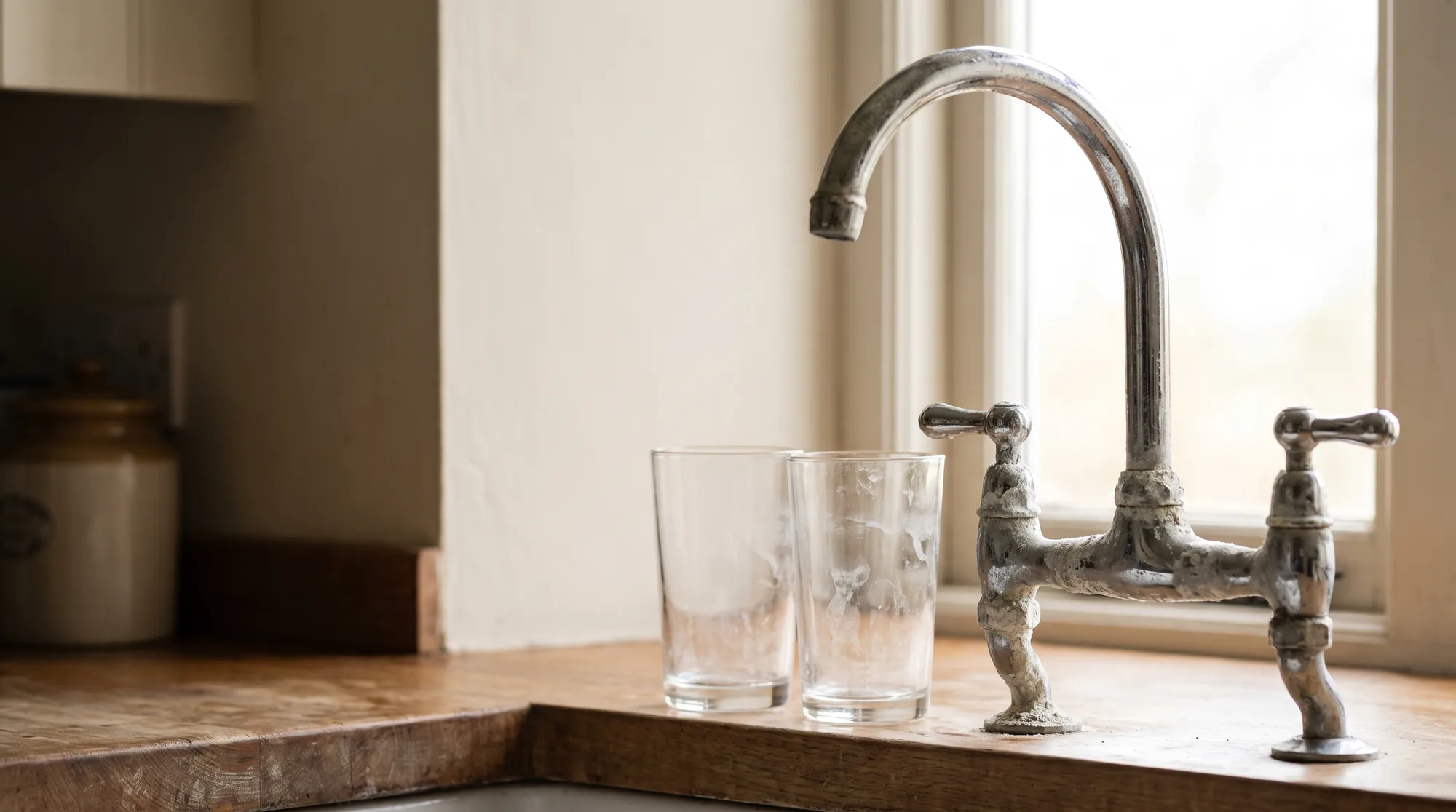
Do you have hard water?
The signs, the county hardness record, and how to confirm it.
 WATER PROBLEMS
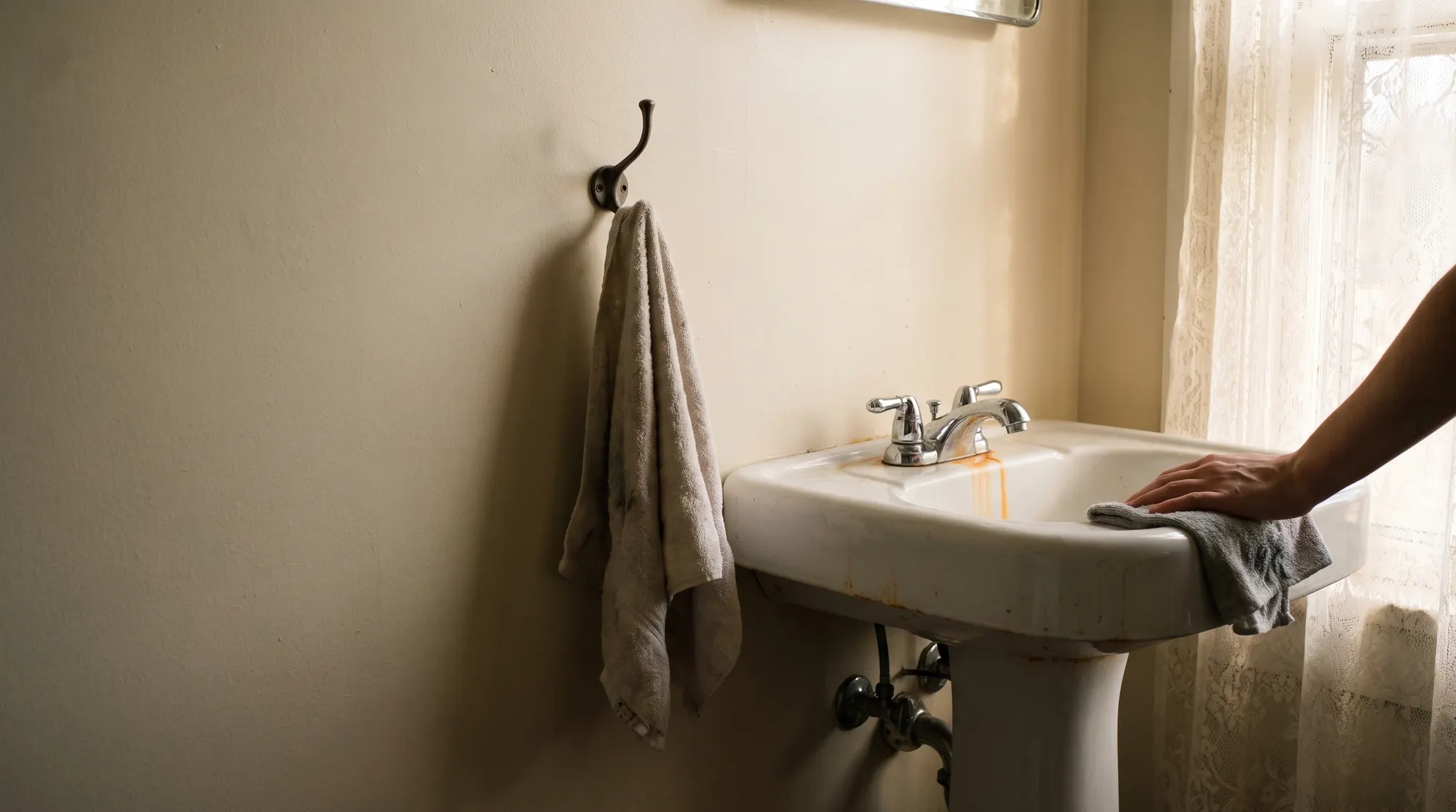
Orange stains from your well water.
Read the stain, the county iron record, and what to note before you call.
 WATER PROBLEMS
Bacteria in your water.
What a coliform result means, what to do now, and which treatment follows.
YOUR NEXT STEP
Better Water in Cortland
Starts with a Test.
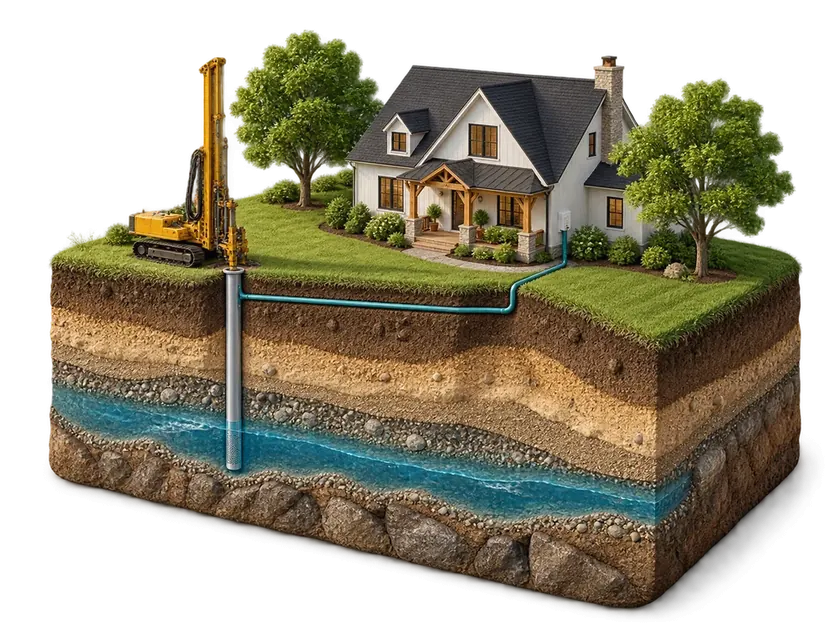
Call or fill out the form to schedule your water test. We’ll come out from Cortland, measure what is in the water, and recommend the equipment that fits.