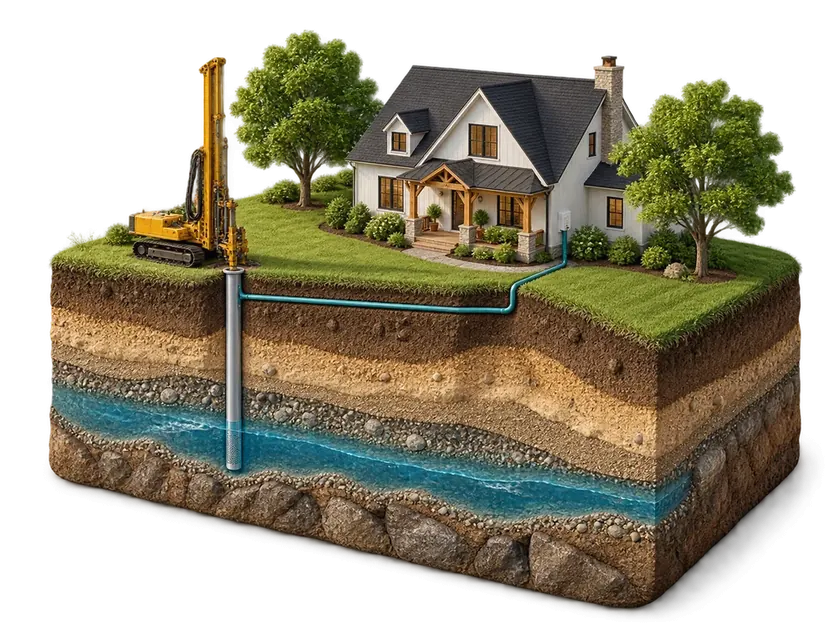
The 200 domestic wells on file within 5 miles of Petrolia, from the state’s drilling logs: your neighbors’ wells, and the best guide to this ground.
Source: PaGWIS (PA DCNR), domestic wells within 5 miles, retrieved 2026-09-30; older paper-record locations are approximate.
Lead Results, Round by Round
EPA’s record for Petroleum Valley RWA lists five lead sampling rounds. The 90th-percentile result was 0.027 mg/L for the round ending September 2018 and 0.0216 for the round ending June 2019, both over the 0.015 mg/L action level. The rounds after that came in at 0.00349 in 2022, 0.00267 in 2023 and 0 mg/L in 2025, all under it.
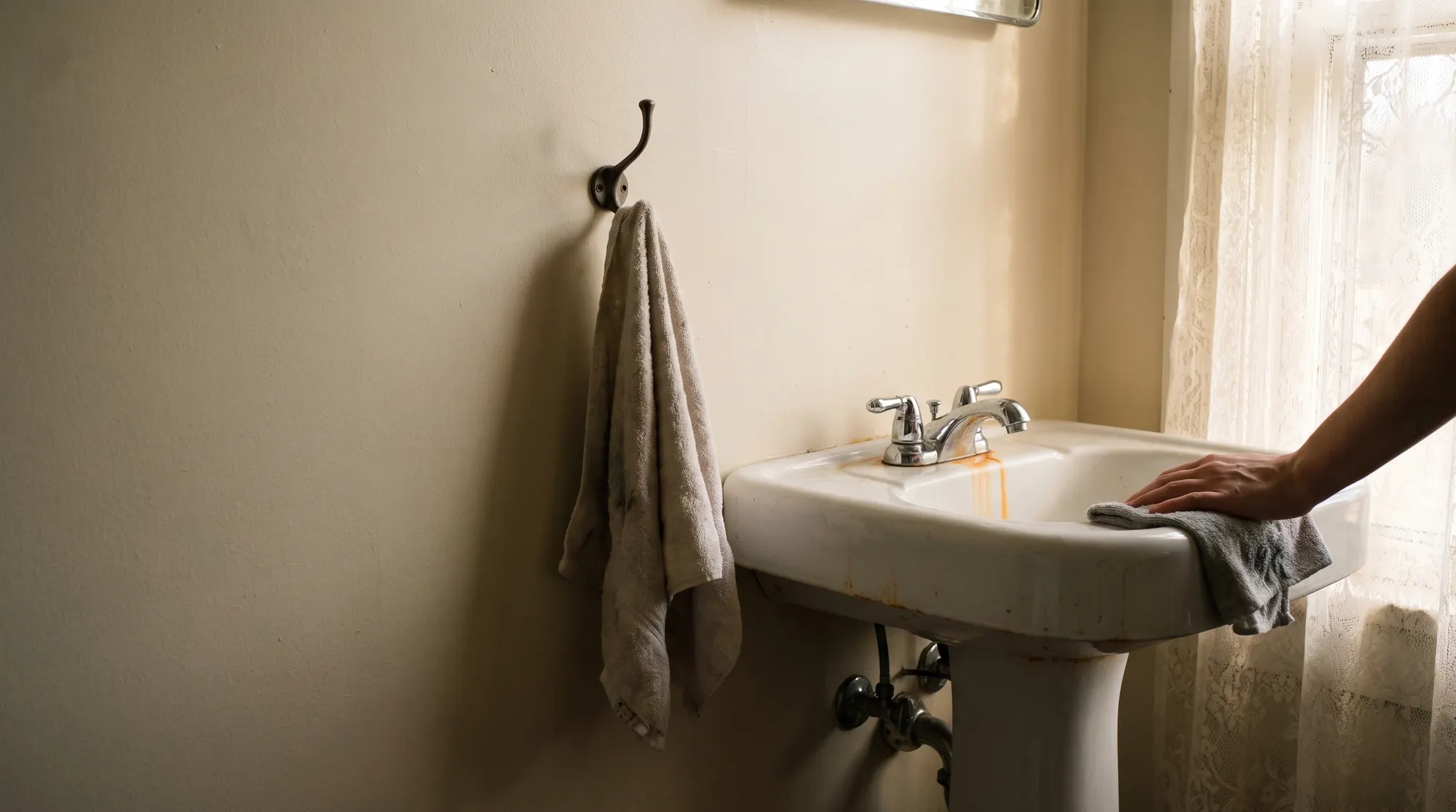
These figures come from taps sampled across the system, and a single home can differ depending on its plumbing. A water test at your own tap answers the question directly. If lead turns up, reverse osmosis at the kitchen sink is the usual fix. Customers get the authority’s water report, which sets out its results.
Water Bought From East Brady
EPA lists Petroleum Valley RWA with no wells or treatment steps of its own. It buys groundwater from the East Brady Water System, which treats it before sale, including 4-log treatment for the ground water rule, a virus-disinfection standard. The authority serves about 3,800 people through 1,290 connections.
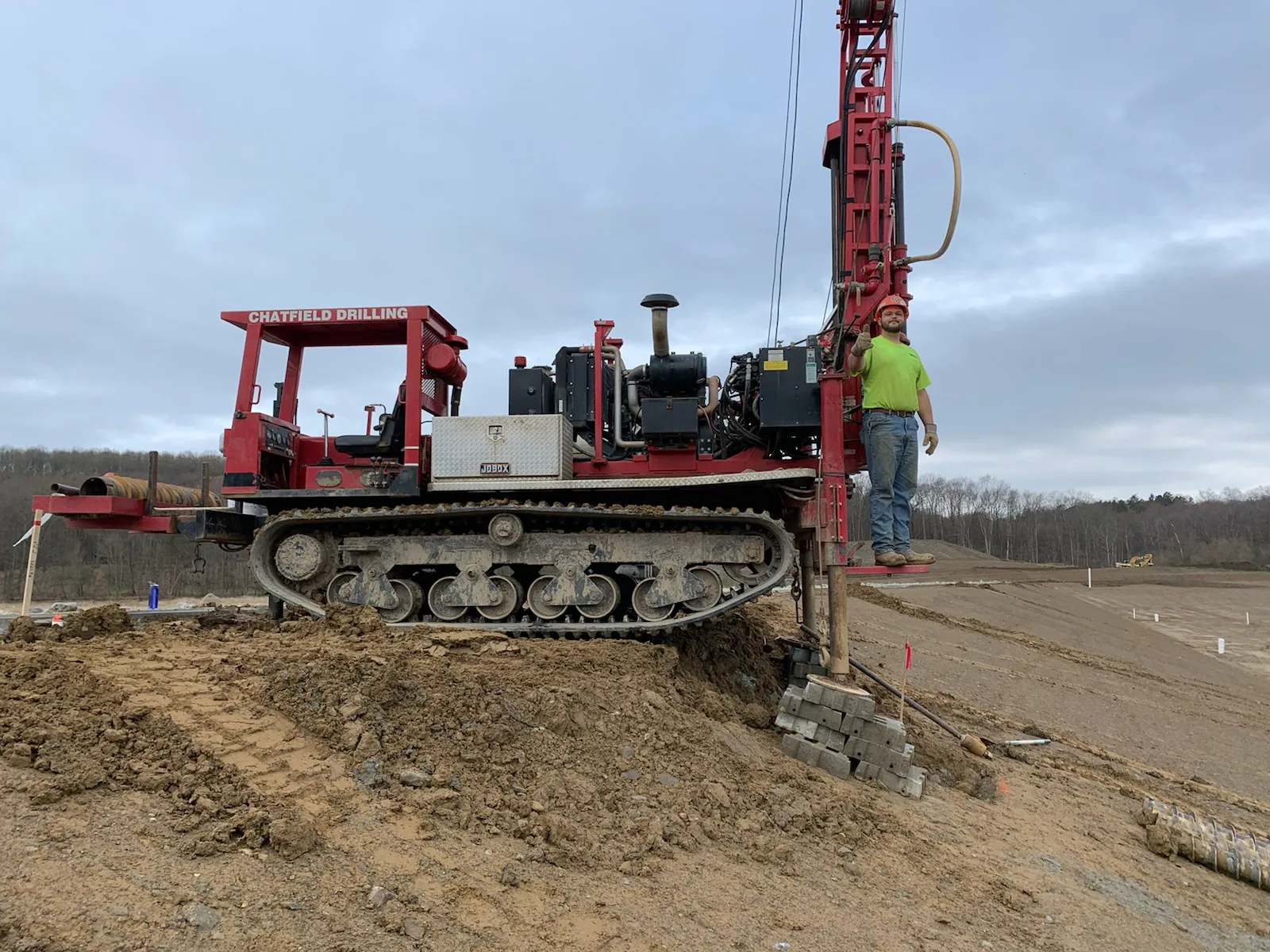
For homes on private wells, the logs put rock at a median 15 feet and the yield at a median 20 gallons per minute. The Allegheny Formation is mapped under the town, Pennsylvanian sandstone, shale, limestone, clay and coal. A submersible pump sized to the well and a periodic well inspection keep that supply dependable, and pump repair comes from the same crew.