The 736 domestic wells on file within 5 miles of Connoquenessing, from the state’s drilling logs: your neighbors’ wells, and the best guide to this ground.
Source: PaGWIS (PA DCNR), domestic wells within 5 miles, retrieved 2026-09-30; older paper-record locations are approximate.
Lead Results on the Butler System
Pennsylvania American Water’s Butler system serves 43,286 people by EPA’s count. It draws on Oneida Reservoir, Thorn Run Reservoir and the Allegheny River, and also buys filtered water from Pennsylvania American Water’s Ellwood City system. EPA lists four lead sampling rounds, with 90th-percentile results of 0.006 mg/L in 2016, 0.0029 in 2019, and 0.002 in both 2022 and 2025. Each is under the 0.015 mg/L action level.
Those figures are measured across the system’s sampled taps, and a home’s own plumbing can change the picture. A water test at your tap is the way to know, and if it finds lead, reverse osmosis at the kitchen sink is the usual answer. The system’s polyphosphate inhibitor and pH adjustment are there to limit corrosion in the pipes.
Deep Wells in Connoquenessing’s Logs
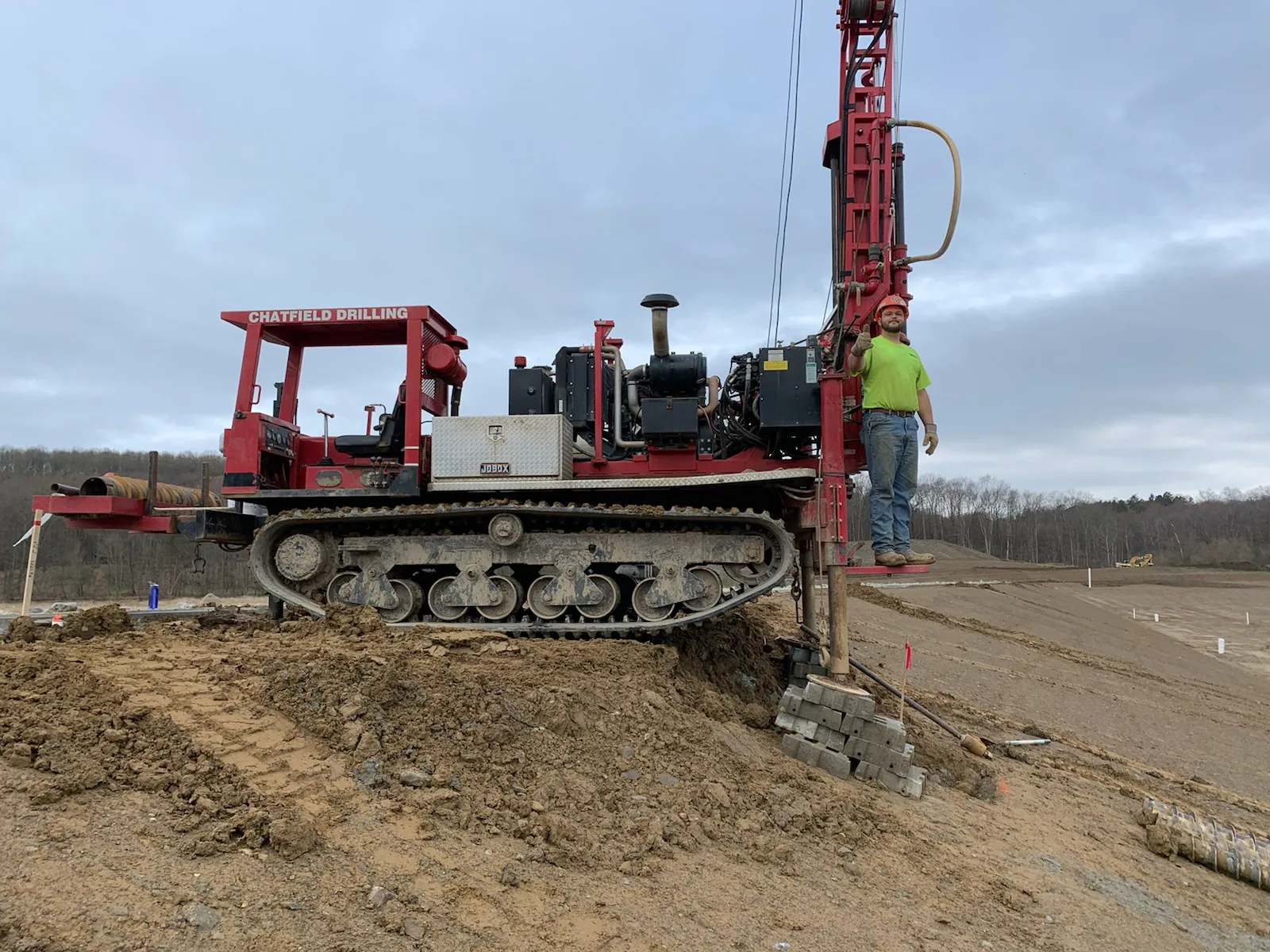
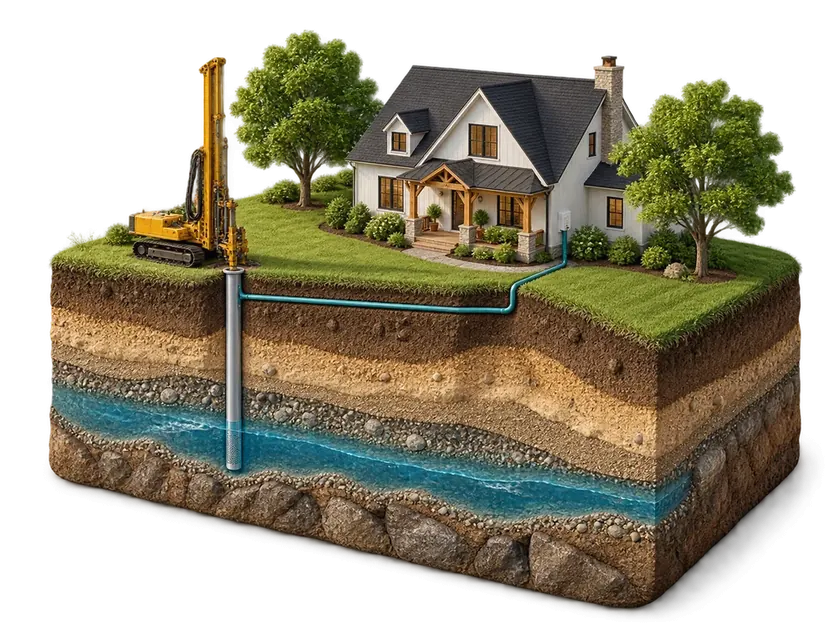
The logs show what a new well meets. Three in four of the 736 depth logs within 5 miles went 120 feet or deeper. The Glenshaw Formation, Pennsylvanian shale, coal, sandstone and limestone, is the unit mapped at the town center.
Yields are middling: half the logs gave 13 gallons per minute or less. With a deep bore and moderate flow, the water standing in the hole acts as a reserve during heavy use, and the pump is sized so it doesn’t outrun the well. Submersible pumps and pressure tanks are chosen from the yield test at the end of drilling, and depth weighs heavily in what a new well costs.