The 888 domestic wells on file within 5 miles of Mars, from the state’s drilling logs: your neighbors’ wells, and the best guide to this ground.
Source: PaGWIS (PA DCNR), domestic wells within 5 miles, retrieved 2026-09-30; older paper-record locations are approximate.
Mars Wells Run Deep, Yields Run Light
Wells around Mars go deeper than most in Butler County, seventh of 21 towns by median depth, yet they give modest flow. Half the logs record 10 gallons per minute or less, a quarter 6 or less, and only a quarter reach 18.
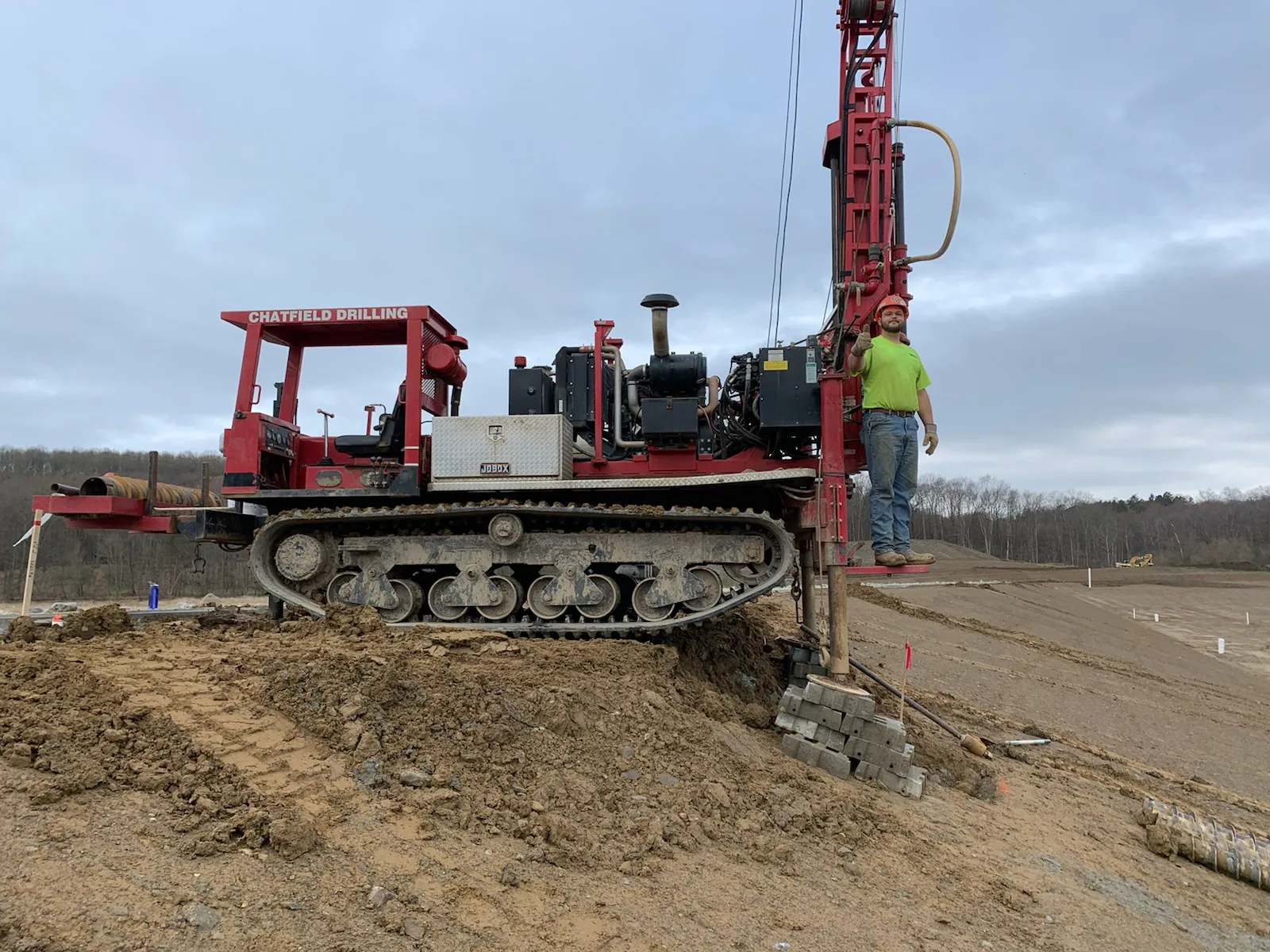
When a new well comes in light, the owner and driller have a decision to make at the rig: stop and size everything around what it gives, or keep drilling in the hope of crossing another water-bearing fracture, which also adds stored water in the bore. Every extra foot adds to what a new well costs, so that call is worth talking through before drilling starts rather than halfway down. Residential well drilling explains how a bore is planned and finished.
The Borough’s Banks Wells and Private Ones
Mars Borough Water Works is a groundwater system as well. EPA lists three Banks wells and one treatment plant, and borough customers get their water report from the borough. Homes beyond it rely on their own well, and everything from the wellhead to the pressure tank is theirs to keep running.
On a low-yield well, the pump matters most. A submersible pump that delivers more than the well recovers can pull the water down to its intake and run short, again and again; one sized to the well runs longer and steadier. A correctly set pressure switch, working with the tank, keeps its starts and stops in check. Iron and manganese in well water are covered under Mars water treatment.